
Conversation Topic
Transport Fleet and Mobile Deployments
Mobile installations need stable power, suitable antennas, roaming coverage and management that can follow equipment across regions.
Useful questions, comparisons, examples and next-step checks around Transport Fleet and Mobile Deployments.

Questions & Answers
Answers About Transport Fleet and Mobile Deployments
These answers organise the topic into practical checks, comparisons and useful research notes.
They can, and they should be. A mobile deployment often needs both reliable cellular connectivity and a sensible GPS arrangement. That means thinking about antenna placement, cable routes, interference, weather exposure and how the information will actually be used once the vehicle is in service. Comset can help keep that practical. If the job includes tracking, remote diagnostics or mobile workforce applications, planning GPS and cellular together usuall…
2026-07-28 What matters most when a router is going into a vehicle or transport fleet?Vibration tolerance, power quality, antenna mounting, remote management and recovery after coverage loss are all major considerations. A fleet deployment also benefits from central management so faults and configuration drift can be dealt with without sending a person to every vehicle. If Wi-Fi passengers, onboard devices or tracking systems are involved, local networking needs may matter as much as mobile-network support. Comset can help treat fleet conn…
2026-07-02 What should a mobile deployment expect when it moves between towers, carriers or areas with no coverage?The modem should hand over between cells as coverage changes, but sessions may pause or reset. Crossing carrier boundaries requires a dual-SIM or roaming strategy; it is not the same as ordinary tower handover. In no-coverage areas, the router should keep local services operating, buffer data and reconnect automatically when a usable network returns. Applications need retry logic and should not assume a fixed public IP. Track outages and signal history to…
 3 Q&A
Load Balancing and Multi-WAN
3 Q&A
Load Balancing and Multi-WAN
 7 Q&A
Wi-Fi Ethernet and LAN Design
7 Q&A
Wi-Fi Ethernet and LAN Design
 6 Q&A
VPN Security and Private Connectivity
6 Q&A
VPN Security and Private Connectivity
 3 Q&A
Secure Remote Access Without Public IP
3 Q&A
Secure Remote Access Without Public IP
 3 Q&A
Network Management and Fleet Monitoring
3 Q&A
Network Management and Fleet Monitoring
Look for a rugged enclosure and connectors, suitable temperature and vibration ratings, secure mounting, wide-voltage input and protection against transients and reverse polarity. Ignition sensing, delayed shutdown or controlled power management can prevent corruption and battery drain. GPS, dual SIM, external antennas and remote management may also be relevant. The router should recover cleanly as the vehicle starts and stops and should not reboot from n…
2026-07-01 Where should cellular and Wi-Fi antennas be placed on a vehicle to reduce shielding and interference?Place antennas where the vehicle body does not shield them, usually with a clear exterior view and suitable ground-plane conditions for the antenna design. Keep cellular antennas separated according to the MIMO instructions and away from high-current wiring, inverters and other radio transmitters. Wi-Fi antennas should serve the cabin or equipment area, which may be a different location from the best cellular position. Protect cables from flexing, abrasio…


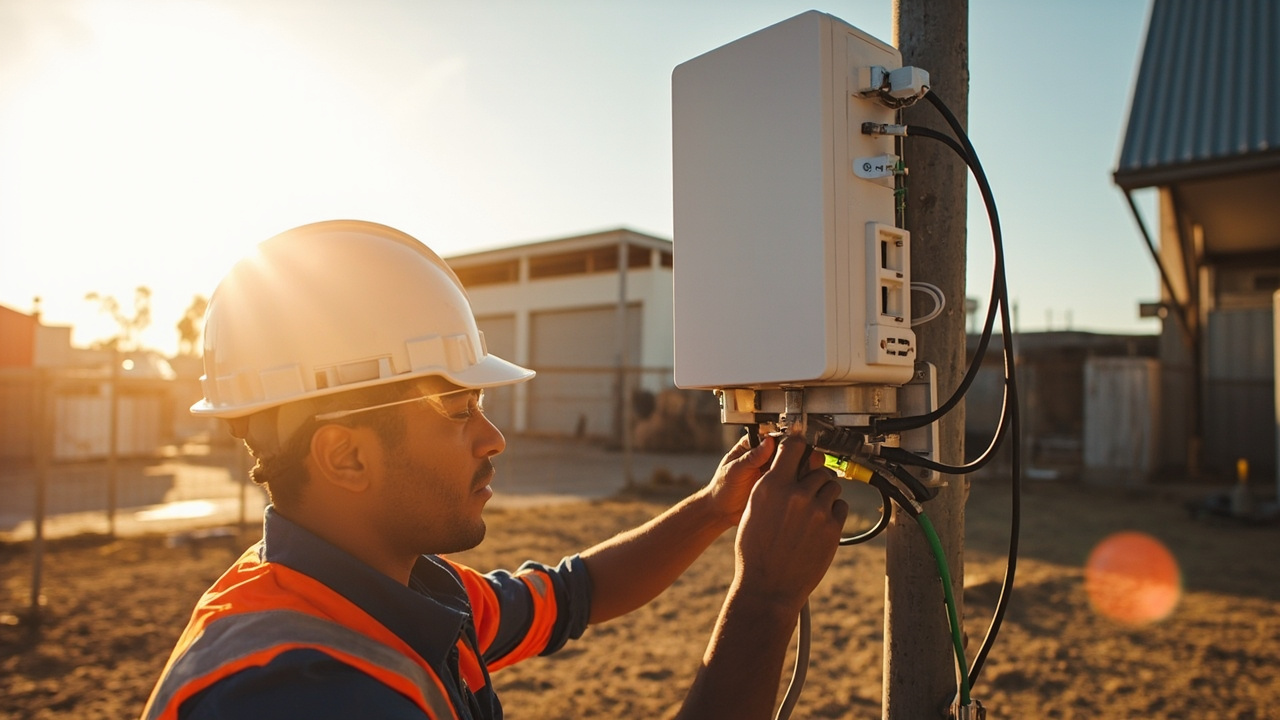
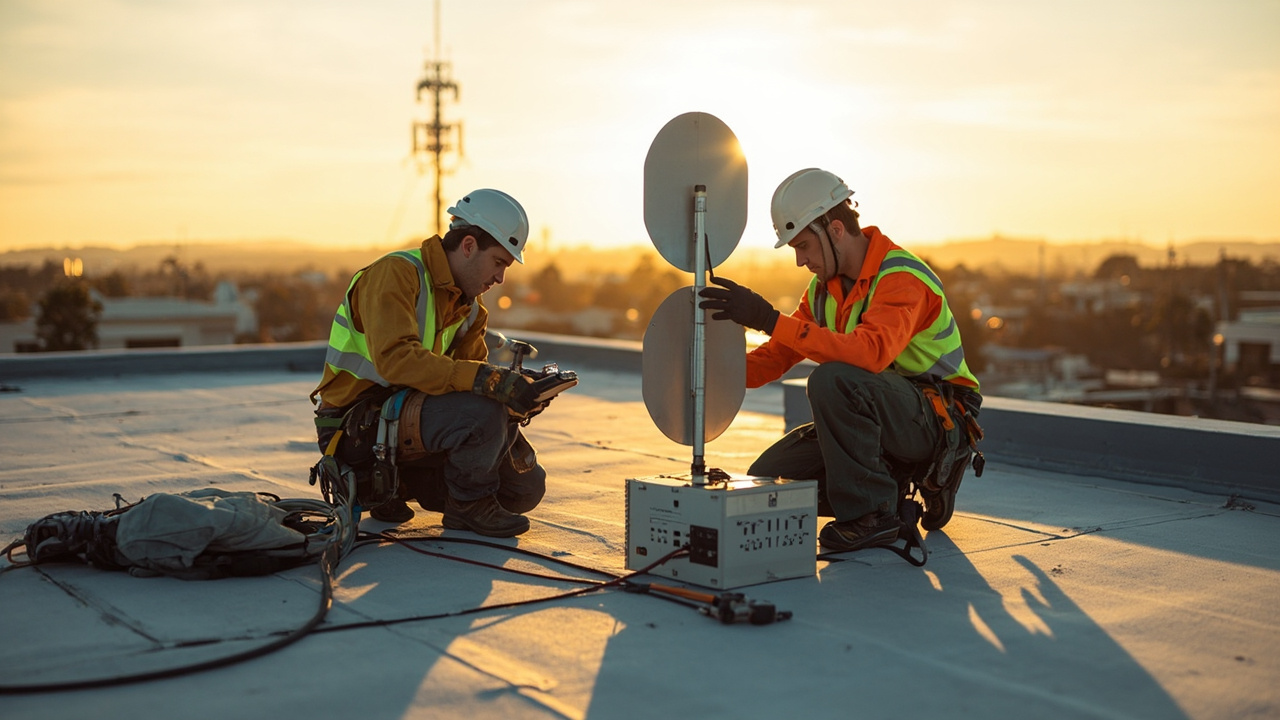

Visual Examples
Images That Support Transport Fleet and Mobile Deployments
A small visual sample connected to this topic.