
Conversation Topic
Marine and Vessel Connectivity
A vessel installation needs marine-suitable mounting, power and antennas, plus realistic expectations as distance and coverage change.
Useful questions, comparisons, examples and next-step checks around Marine and Vessel Connectivity.
Questions & Answers
Answers About Marine and Vessel Connectivity
These answers organise the topic into practical checks, comparisons and useful research notes.
Shore Wi‑Fi and cellular can be combined by using the router’s multi-WAN features to prefer shore Wi‑Fi when usable and switch to cellular automatically. This usually presents one stable onboard network to devices so they don’t need to reconnect as the vessel moves. There can be a brief failover delay as health checks detect a failure on the primary link and switch to cellular. In practice, most setups aim to minimize disruption, but some long-lived sessio…
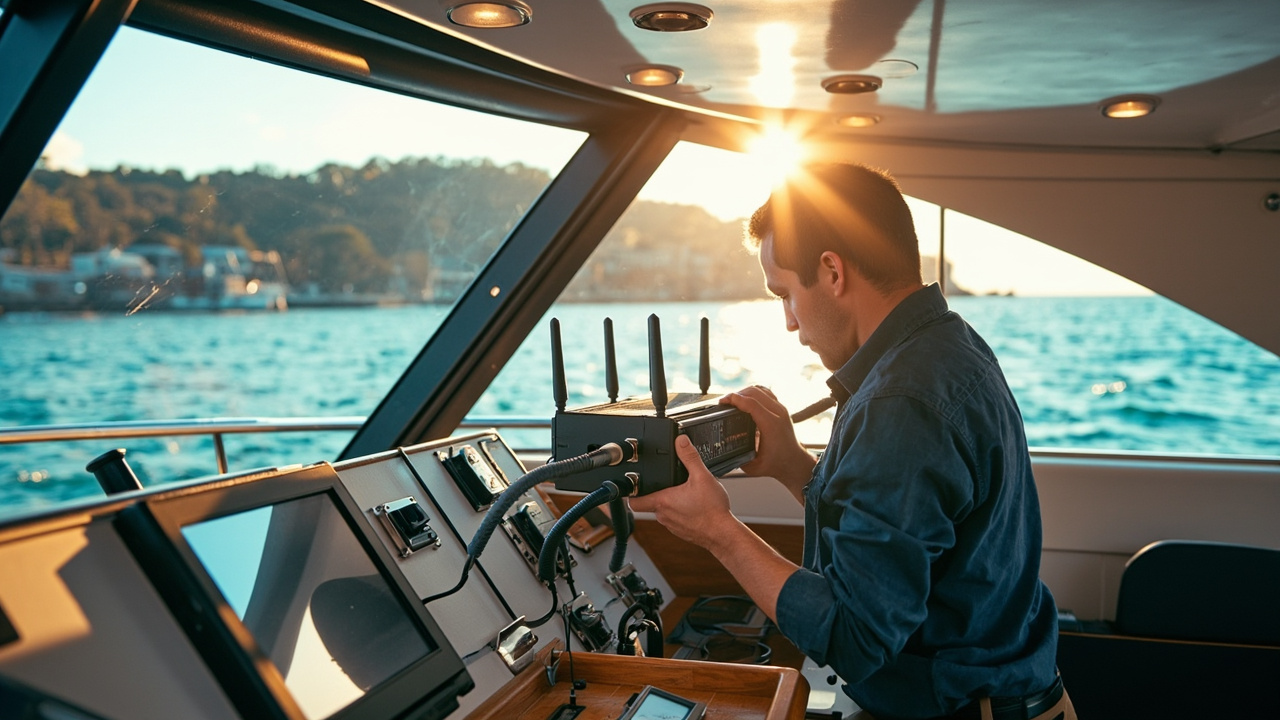
2026-07-29 What is different about connectivity on a boat compared with a building?A vessel introduces movement, changing line-of-sight, corrosion, weather and often more complicated power conditions. The antenna position can be excellent one minute and compromised the next depending on heading, superstructure and coastline. That does not make the job impossible; it simply means the marine environment has to be treated as its own design context. Comset can help with that conversation by looking at the vessel type, expected range from sh…
2026-07-04 How can shore Wi-Fi and cellular services be combined without creating a complicated system for the crew?Use the router’s multi-WAN features to prefer shore Wi-Fi when it is trusted and usable, then fall back to cellular automatically. Present one stable onboard LAN or Wi-Fi network to the crew so their devices do not need to change connection every time the vessel moves. Apply health checks and sensible failback delays because marina Wi-Fi may remain connected while providing poor internet. Isolate untrusted shore networks from onboard equipment, and manage…
 5 Q&A
Australian Carrier Bands and Compatibility
5 Q&A
Australian Carrier Bands and Compatibility
 10 Q&A
Router Comparison and Model Selection
10 Q&A
Router Comparison and Model Selection
 7 Q&A
Machine-to-Machine and IoT Connectivity
7 Q&A
Machine-to-Machine and IoT Connectivity
 7 Q&A
Industrial Automation Connectivity
7 Q&A
Industrial Automation Connectivity
 3 Q&A
Building Automation Connectivity
3 Q&A
Building Automation Connectivity
Salt, moisture and dissimilar metals accelerate corrosion, so connectors, mounts, cable entries and enclosures must be selected and sealed for the marine environment. The vessel’s metal structure can shield or reflect signals; even fibreglass structures, equipment and tinted glass can affect antenna performance. Mount cellular antennas with suitable separation and a clear view, while keeping coaxial runs short. Allow safe service access and protect equipm…
2026-07-03 How far offshore can a vessel reasonably expect terrestrial mobile coverage to remain usable?There is no fixed offshore distance. Coverage depends on coastal tower height, frequency, terrain, antenna height on the vessel, weather, network configuration and whether another landmass provides service. Mobile networks are designed primarily for land coverage, so maps may not represent marine performance. A good external antenna and elevated position can extend usable service in some areas, but it should not be treated as a safety or guaranteed offsho…

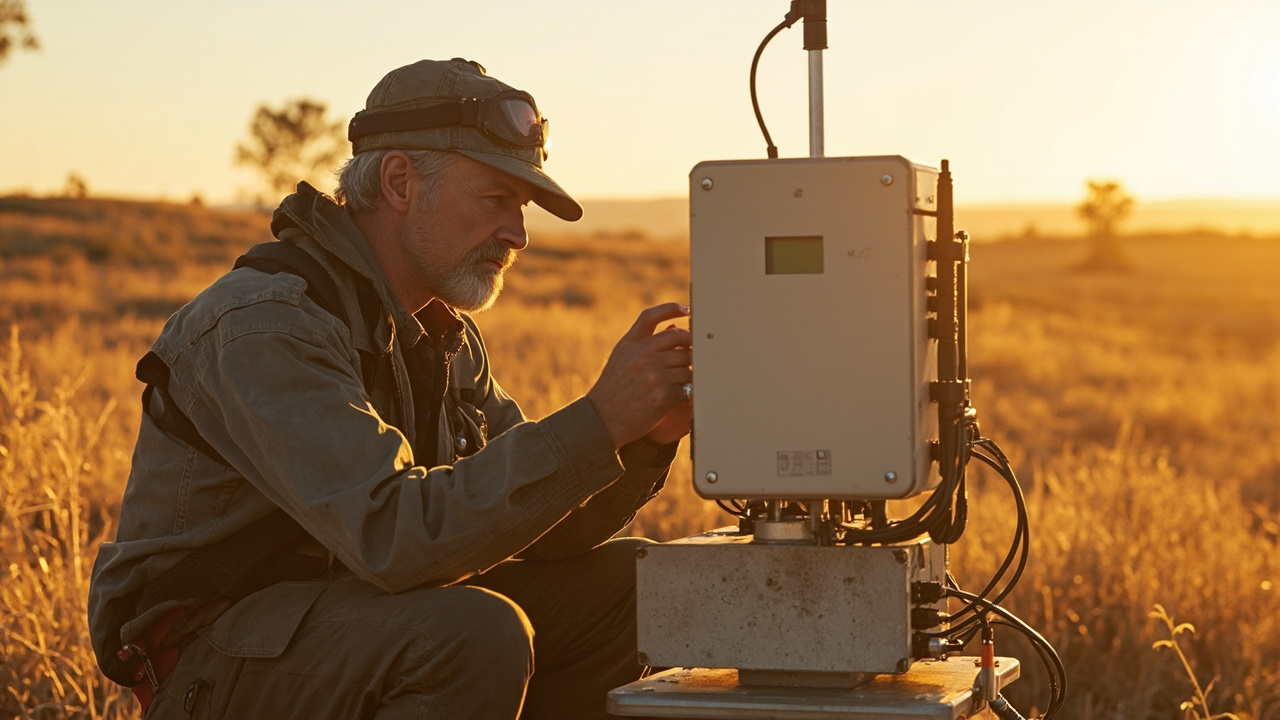
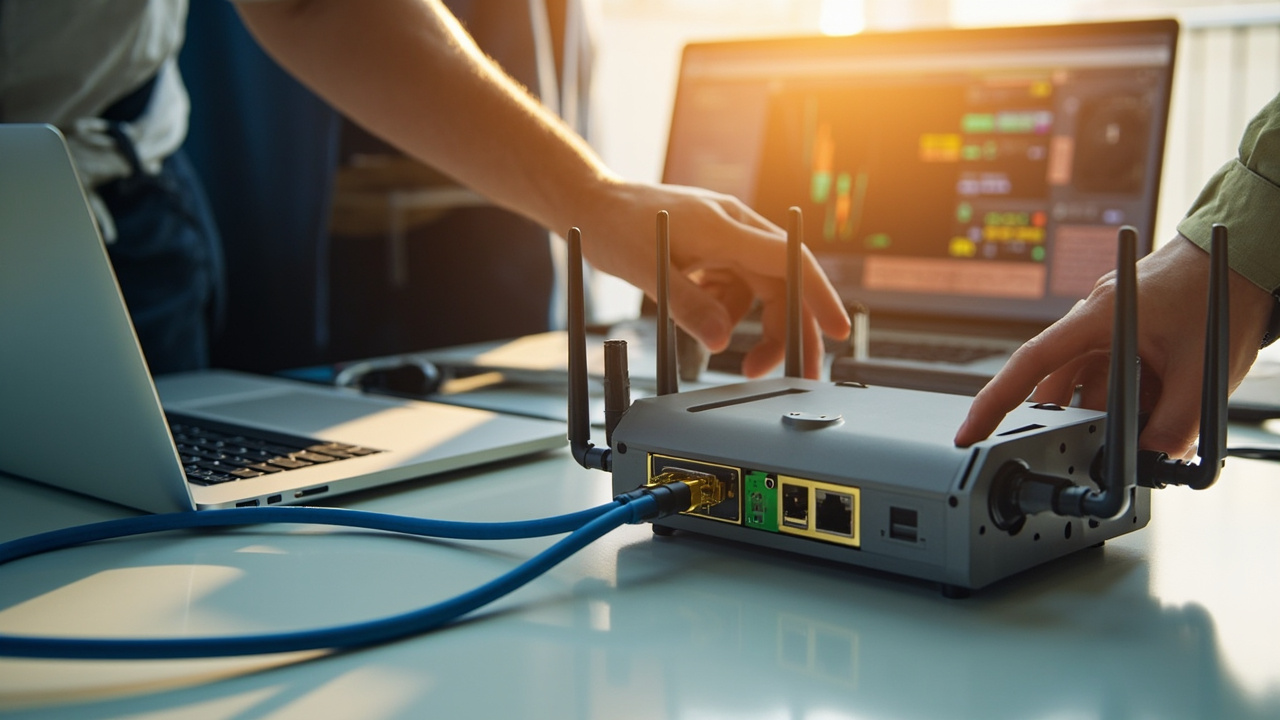
Visual Examples
Images That Support Marine and Vessel Connectivity
A small visual sample connected to this topic.