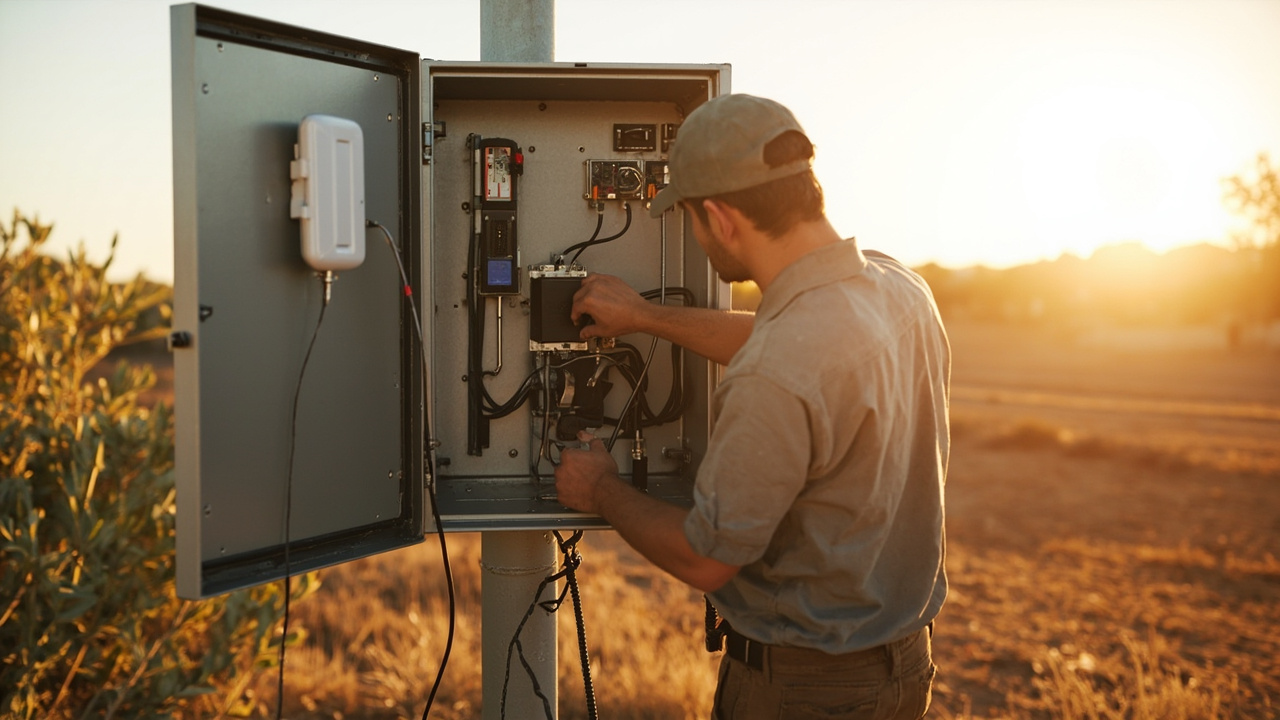
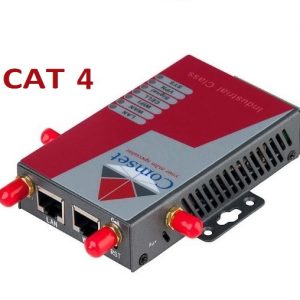
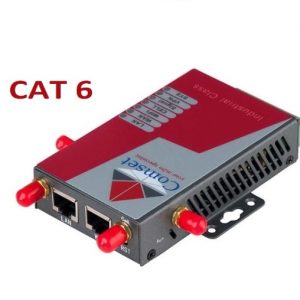
In practice, the choice comes down to actual traffic and growth expectations. Cat 4 can meet many sites’ needs, while Cat 6 adds headroom through carrier aggregation where available. Real results depend on the carrier, tower load, signal quality and antenna setup, so headline speeds aren’t everything. On-site checks to guide a decision include quantifying current data use and peak load, listing every device that will connect and the required interfaces (LAN, Wi‑Fi, serial, GPIO, VPN/remote access), and confirming the bands your carrier supports at the site. If possible, test a model at the site or run a short pilot to compare performance and stability. If you expect growth or higher concurrent traffic, Cat 6 with the right bands can be worth it; otherwise, a robust Cat 4 setup with reliable remote management and necessary interfaces is often more cost-effective. Comset can help verify the exact Australian bands and SIM service for the chosen model.
Public Q&A
What quick on-site checks help decide Cat 4 vs Cat 6 for my site?
Useful next steps
Use this answer as a practical starting point. Current scope, specifications, compatibility, availability, pricing, timing and next steps should be confirmed directly with Comset where they affect a decision.
Related Topics
Continue Through Related Topic Pages
Explore more topic pages connected to this answer.




Related visual examples
A short visual sample connected to this answer or its topic.