
Conversation Topic
5G Industrial Routers
Understand where 5G delivers a real operational advantage and which fallback, port and management features the site still needs.
Useful questions, comparisons, examples and next-step checks around 5G Industrial Routers.

Questions & Answers
Answers About 5G Industrial Routers
These answers organise the topic into practical checks, comparisons and useful research notes.
Upgrade timing should be driven by real needs, not hype. Look for rising capacity requirements, more devices, higher data use, or the need for lower latency in your remote tasks. If the site starts needing more bandwidth for cameras, telemetry, or concurrent users, 5G can become worthwhile. Capture concrete measurements to guide the decision: current and peak throughput, latency to critical endpoints, the number of connected devices, and any reliability or…
2026-07-14 Is 5G worth paying for if the site mostly sends small amounts of sensor data?Usually the answer depends on the life of the project rather than on hype. If the application is just sending small sensor packets, meter readings or status alarms, 4G often does the job very well. Paying extra for 5G only makes sense if there is another requirement hiding in the background, such as future expansion, higher device density, a faster upstream need, lower latency, or a desire to standardise new deployments on a current-generation platform. C…
2026-07-14 Can I start with 4G now and move to 5G later if the site grows?Yes, and that is often a sensible way to stage a project. Many businesses start by proving the application on 4G, then move selected sites to 5G if more speed, lower latency or higher capacity becomes worthwhile. The key is to avoid designing the installation in a way that makes the upgrade painful. Antenna type, cable choice, mounting positions, power supply and enclosure space should all be considered with the future in mind. Comset can help plan that p…
 12 Q&A
4G LTE and 4GX Routers
12 Q&A
4G LTE and 4GX Routers
 7 Q&A
Dual SIM and Carrier Redundancy
7 Q&A
Dual SIM and Carrier Redundancy
 3 Q&A
Outdoor Routers and Harsh Environments
3 Q&A
Outdoor Routers and Harsh Environments
 9 Q&A
Cellular Backup for NBN and Fixed WAN
9 Q&A
Cellular Backup for NBN and Fixed WAN
 3 Q&A
Load Balancing and Multi-WAN
3 Q&A
Load Balancing and Multi-WAN
No. A 5G label does not magically create a stronger network. In metro or well-served areas a good 5G service can deliver higher throughput and lower latency, but in some regional locations the practical outcome is that the router spends most of its life on 4G fallback. The site survey, the local carrier and the antenna design still matter more than the sticker on the box. That is why Comset generally treats 5G as a deployment choice, not as a fashion acce…
2026-05-23 Which Ethernet, Wi-Fi or antenna limitations can prevent a site from receiving the expected benefit from 5G?A site may have an excellent 5G signal and still see disappointing results if another part of the system is the bottleneck. A router with a 100 Mbps Ethernet port cannot pass multi-hundred-megabit traffic to a wired device. Older Wi-Fi standards, crowded radio channels, slow switches, weak client devices or a limited data plan can have the same effect. Antenna choice and placement are equally important. 5G may require multiple correctly connected MIMO ant…
2026-05-22 When does moving from 4G to a 5G industrial router create a real operational benefit?Moving from 4G to 5G creates a real benefit when the application needs more capacity, higher upload performance, lower latency or room for future growth. Examples include multiple high-resolution cameras, large remote file transfers, busy temporary sites, media work, or a location serving many users and devices. A 5G router can also be sensible where the local 5G network is less congested than 4G. For low-volume telemetry, alarms, basic remote access or o…






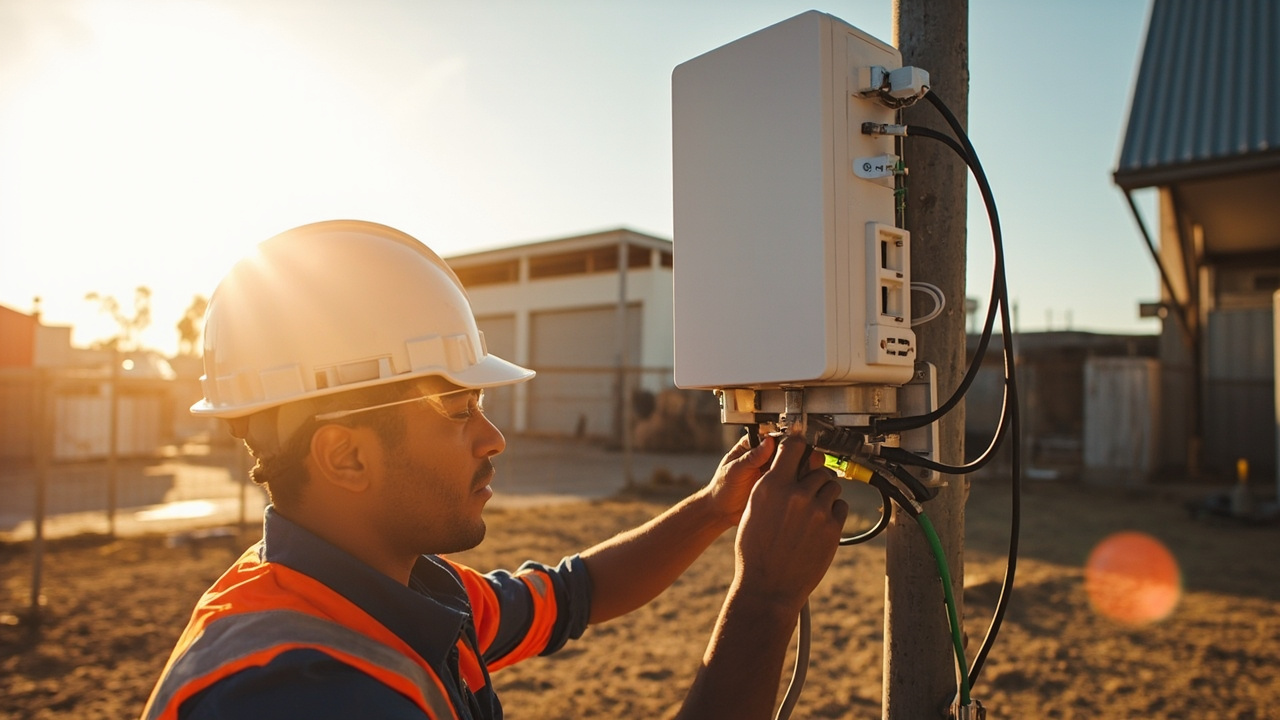
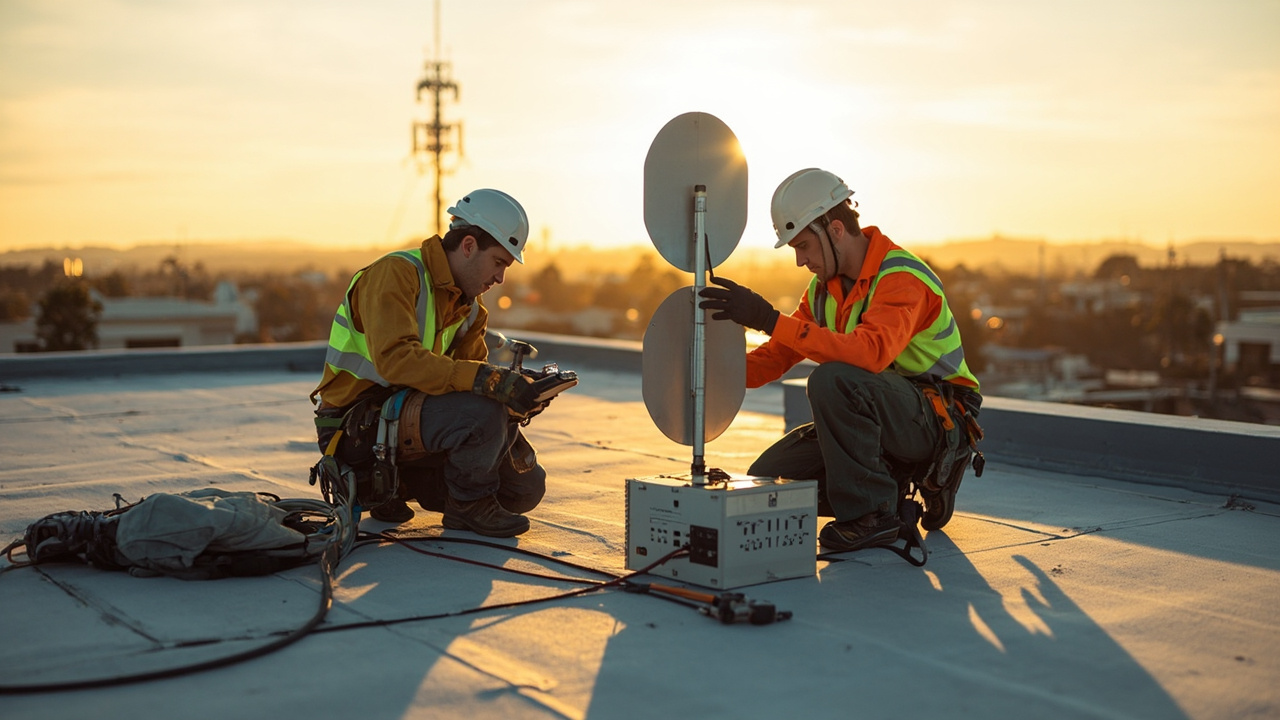

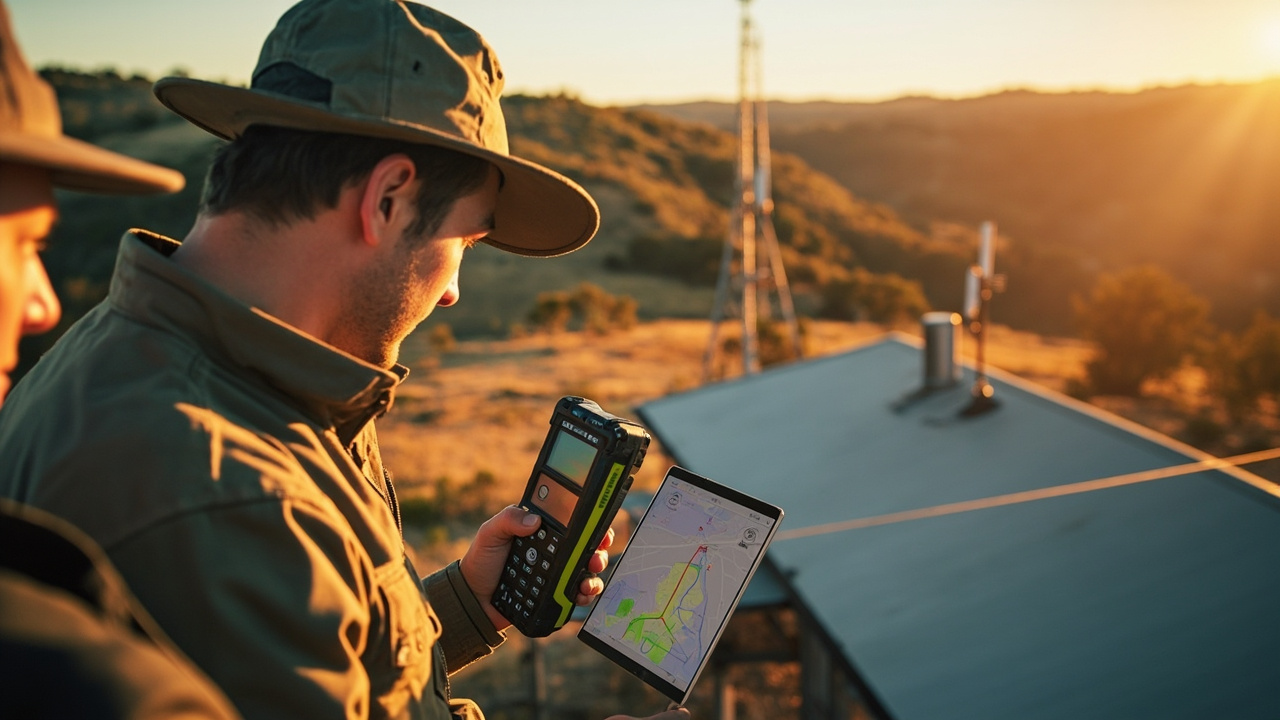
Visual Examples
Images That Support 5G Industrial Routers
A small visual sample connected to this topic.