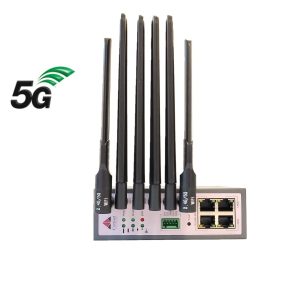
Moving from 4G to 5G creates a real benefit when the application needs more capacity, higher upload performance, lower latency or room for future growth. Examples include multiple high-resolution cameras, large remote file transfers, busy temporary sites, media work, or a location serving many users and devices. A 5G router can also be sensible where the local 5G network is less congested than 4G.
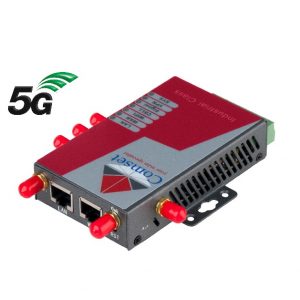
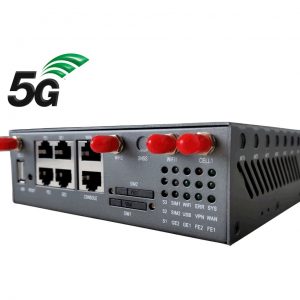
For low-volume telemetry, alarms, basic remote access or occasional control traffic, a well-installed 4G router may still be entirely adequate and more economical. The decision should be based on measured coverage and the complete path: the router, antennas, Ethernet ports, Wi-Fi, SIM plan and connected equipment. A 5G modem cannot deliver a 5G advantage through a slow LAN port, poor antenna installation or weak local coverage. Comset can help compare the exact models and fallback behaviour for the intended site.
Public Q&A
When does moving from 4G to a 5G industrial router create a real operational benefit?
Useful next steps
Use this answer as a practical starting point. Current scope, specifications, compatibility, availability, pricing, timing and next steps should be confirmed directly with Comset where they affect a decision.
Related Topics
Continue Through Related Topic Pages
Explore more topic pages connected to this answer.




Related visual examples
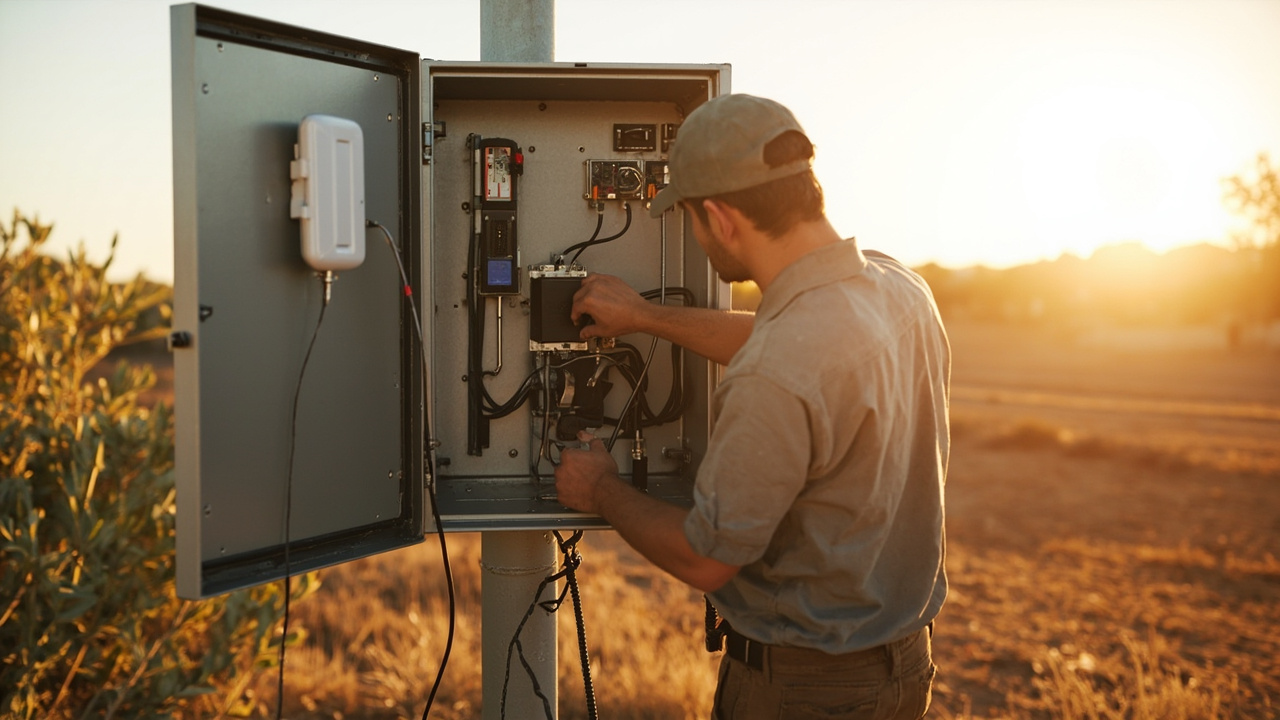
A short visual sample connected to this answer or its topic.