
Conversation Topic
4G LTE and 4GX Routers
Choose the right LTE class and feature set for dependable connectivity without paying for capacity the application does not require.
Useful questions, comparisons, examples and next-step checks around 4G LTE and 4GX Routers.
Questions & Answers
Answers About 4G LTE and 4GX Routers
These answers organise the topic into practical checks, comparisons and useful research notes.
On-site tests should compare actual network performance and reliability for the two options. Verify which bands and carriers are available at the site, then measure sustained uplink and latency under typical load, including alarms, telemetry and remote management activities. Assess peak usage, device compatibility, and whether the equipment supports the chosen bands and features (VPNs, dual SIM, remote reboot, etc.). Run a short pilot with representative t…
2026-10-25 Which site details should I share to get a clear 4G vs 5G comparison?To compare 4G vs 5G properly, we will want site-specific inputs that reflect real use. Share the site location or region and the carrier options you are considering, your typical data traffic (rough daily/monthly volumes or message sizes), number of devices that will connect, and how the data is used (telemetry, alarms, remote-management, VPN traffic, etc.). Also include uptime targets, peak load periods, and whether you will need VPN or remote access, as …
2026-10-16 Which exact bands and interfaces should I check on a model for my site?To be sure a Cat 4 or Cat 6 model fits your site, verify the bands and hardware interfaces match your needs. Check the model’s official band list and the SIM service requirements to confirm Australian carrier support, and confirm available interfaces such as Ethernet ports, serial (RS-232/RS-485), GPIO or relay, plus VPN and remote management features. For many Australian deployments, Band 28 (700 MHz) is common, but you should verify the exact bands suppo…
 3 Q&A
Network Management and Fleet Monitoring
 3 Q&A
SMS Control Alerts and Automation
 5 Q&A
Serial GPIO and Relay Integration
 3 Q&A
Power over Ethernet Deployments
 5 Q&A
Cellular Antennas and MIMO
The key is the actual data your application uses and how predictable that usage is. If your site mainly sends small telemetry messages, alarms or occasional remote management data, 4G can be sufficient, especially where uptime and reliability matter more than peak speed. If you have many devices or need higher capacity during busy periods, 5G may be warranted. To decide in practice, estimate daily data usage by multiplying the size of typical messages by t…
2026-10-12 How do I know if 4G is enough for my site, and when should I move to 5G?Start with what your site actually needs and what coverage is available there. If the site has reliable 4G coverage and the data use is modest (alarms, telemetry, basic remote monitoring), a well-chosen 4G/4GX router often meets the requirement with solid reliability and simple remote management. Consider 5G if you expect higher capacity, more devices, or stricter latency needs. Before moving, confirm the local carrier bands, test on site, and compare the …
2026-10-11 Which bands should I confirm are supported at my site before choosing a router?The next step is to map your site to the carrier bands it will rely on. In Australia, Band 28 (700 MHz) is commonly used to improve reach and indoors, but the exact bands you need depend on the carrier and the site location. Check the exact router model’s band list and confirm it supports the bands used by your chosen carrier. If possible, test on-site with a live SIM to measure signal quality and throughput before committing. If you share your site locati…
 3 Q&A
Antenna Placement and Coaxial Cable Loss
 15 Q&A
Cell Tower Location and Signal Testing
 5 Q&A
Australian Carrier Bands and Compatibility
 14 Q&A
Router Comparison and Model Selection
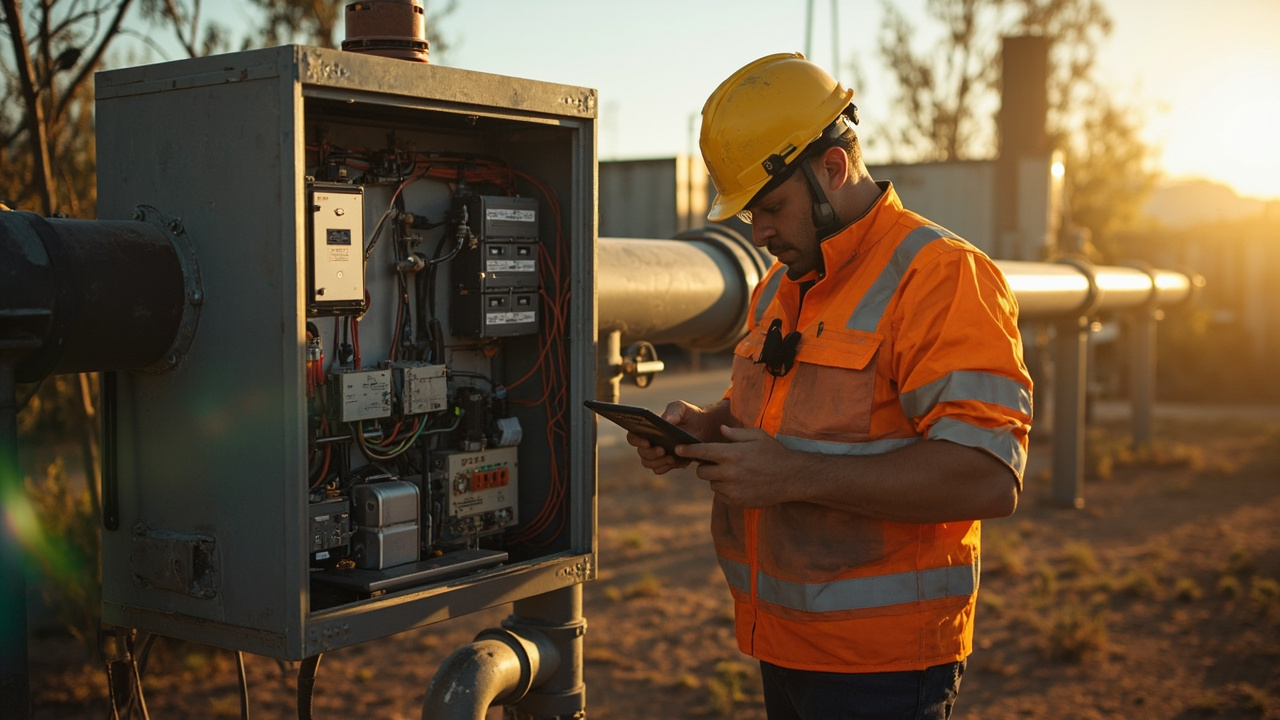 10 Q&A
Machine-to-Machine and IoT Connectivity
The practical way to assess 4G LTE and 4GX Routers is to start with the real need, then compare what is included, how it works, who it suits, what evidence supports it and which details still require direct confirmation from Comset. Industrial 4G LTE and 4GX router options for reliable business, machine-to-machine and remote-site connectivity where 5G is unnecessary, unavailable or uneconomic. The category covers LTE classes, Band 28, performance expectati…
2026-09-28 Which Comset models in my range support Band 28?Band 28 support is model- and firmware-dependent, so not every Comset router in your range will have it. We'll verify the exact Band 28 presence for each candidate and confirm that the model also carries the other bands your carrier uses. To identify which models actually support Band 28, please share the list of models you’re evaluating, their current firmware versions, and the carrier/band usage at your site. Once we know, we can present a concise model-…
2026-09-27 How can I test Band 28 performance at my site before purchase?Start by confirming the exact Comset model's band list and that Band 28 is supported alongside the other bands your carrier uses. Then run a real-site test with the intended SIM at the actual location to see how Band 28 behaves in practice. Set up a small on-site test with the selected router and a representative antenna. Record signal metrics like RSRP, RSRQ, SINR, and the actual throughput you achieve under typical load, across different times of day. Co…
 11 Q&A
Industrial Automation Connectivity
 3 Q&A
Building Automation Connectivity
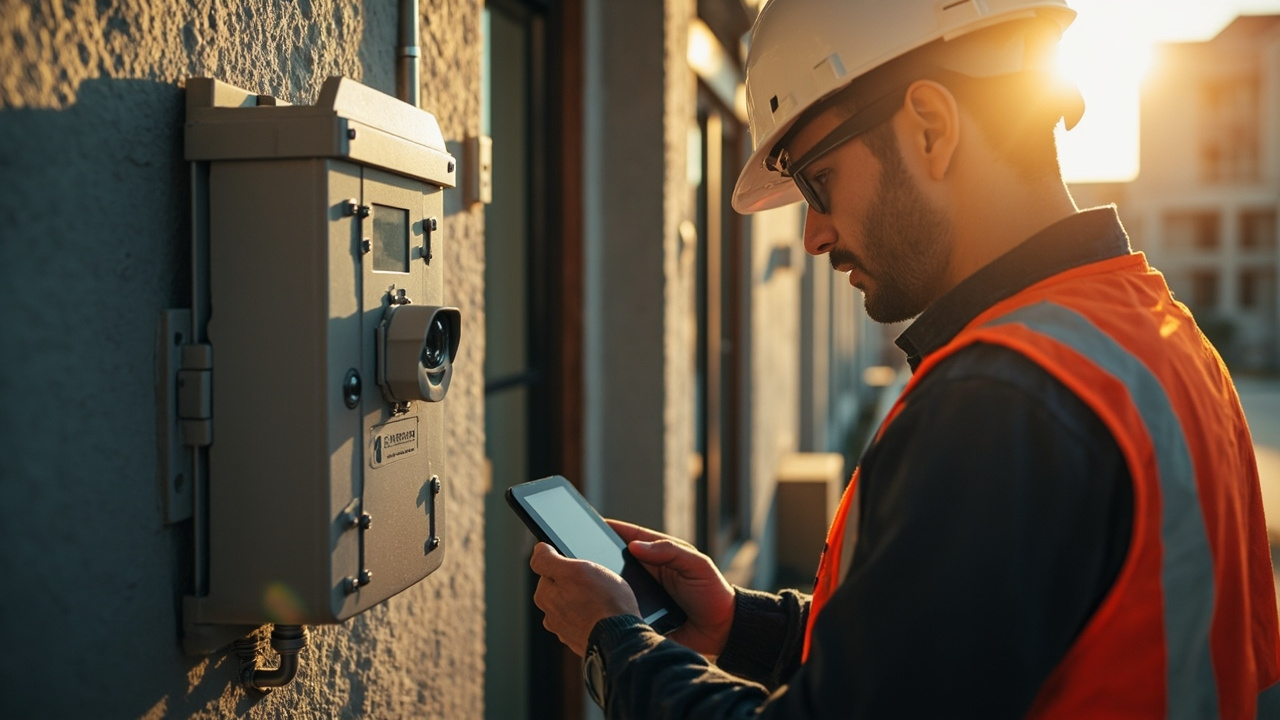 10 Q&A
Security and Surveillance Connectivity
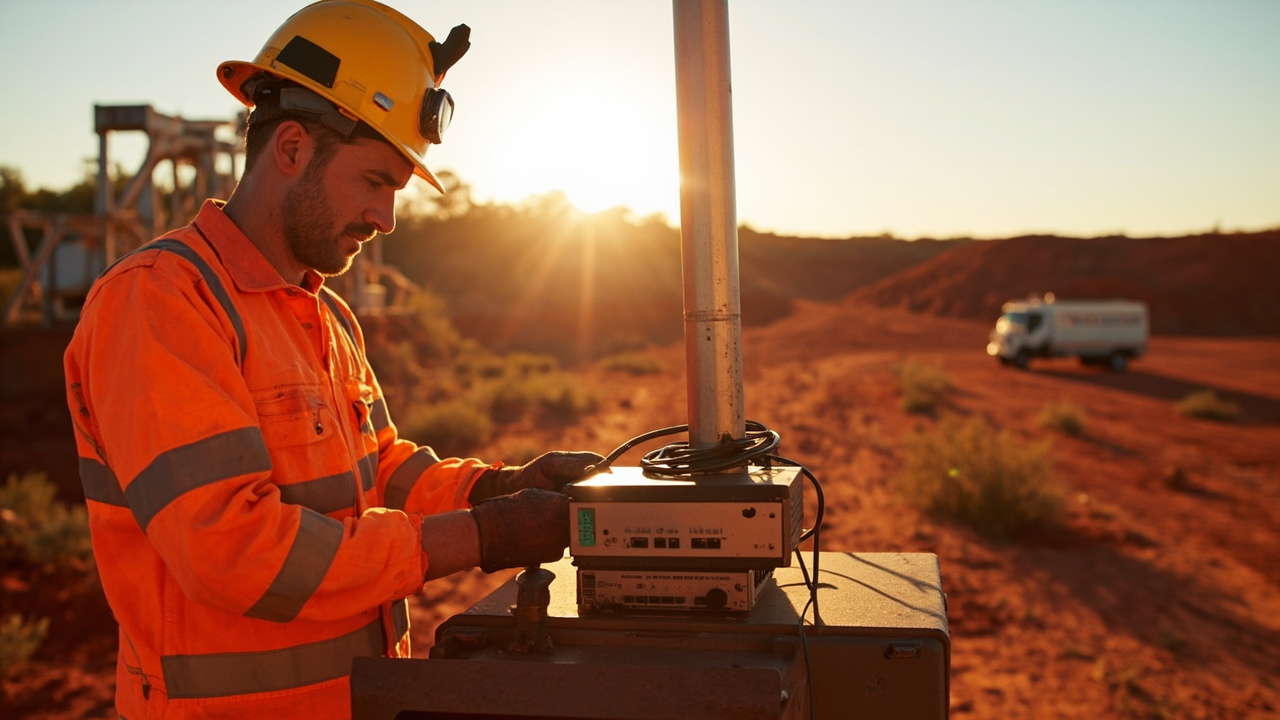 3 Q&A
Mining Energy and Remote Sites
 5 Q&A
Transport Fleet and Mobile Deployments
On-site data to collect includes which carriers work there, which 4G/5G bands are available, and real signal quality metrics (updatesI, SINR, observed throughput) at the router location. Note any obstacles like walls or metal structures that affect reception. Usage profile matters: list every device and interface (LAN, Wi‑Fi, serial, GPIO), expected data volumes (peak vs average), and what needs remote access or VPNs. Also capture uptime requirements and f…
2026-09-08 What specific site details should I gather to compare 4G and 5G options effectively?To compare 4G and 5G sensibly, start with what your site needs today and what it may need tomorrow. Gather data on typical and peak data use, how many devices and interfaces will connect, and whether you require VPN or remote management. Also capture uptime targets and how quickly you must recover after a link outage. Then verify carrier coverage and the bands available at the site, because 5G benefits depend on the network and hardware supporting the righ…
2026-09-05 How can I measure actual upstream capacity at a site before buying?Do a live-site throughput test. Measure sustained upload, latency and packet loss at the installed antenna position during typical busy periods. Run a short pilot with expected camera data patterns, log data usage, and model how many devices share the uplink and what headroom you need. Ask Comset to verify the bands and SIM service for the chosen model and confirm the plan supports remote-management features.

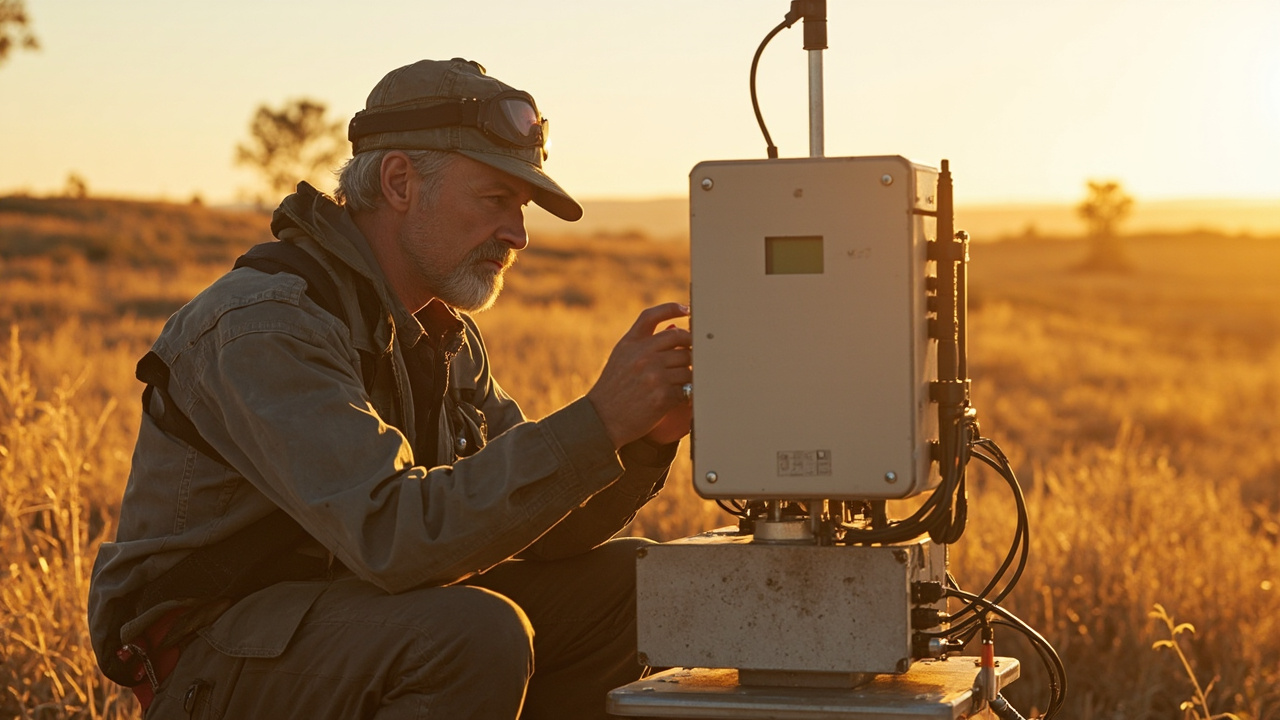
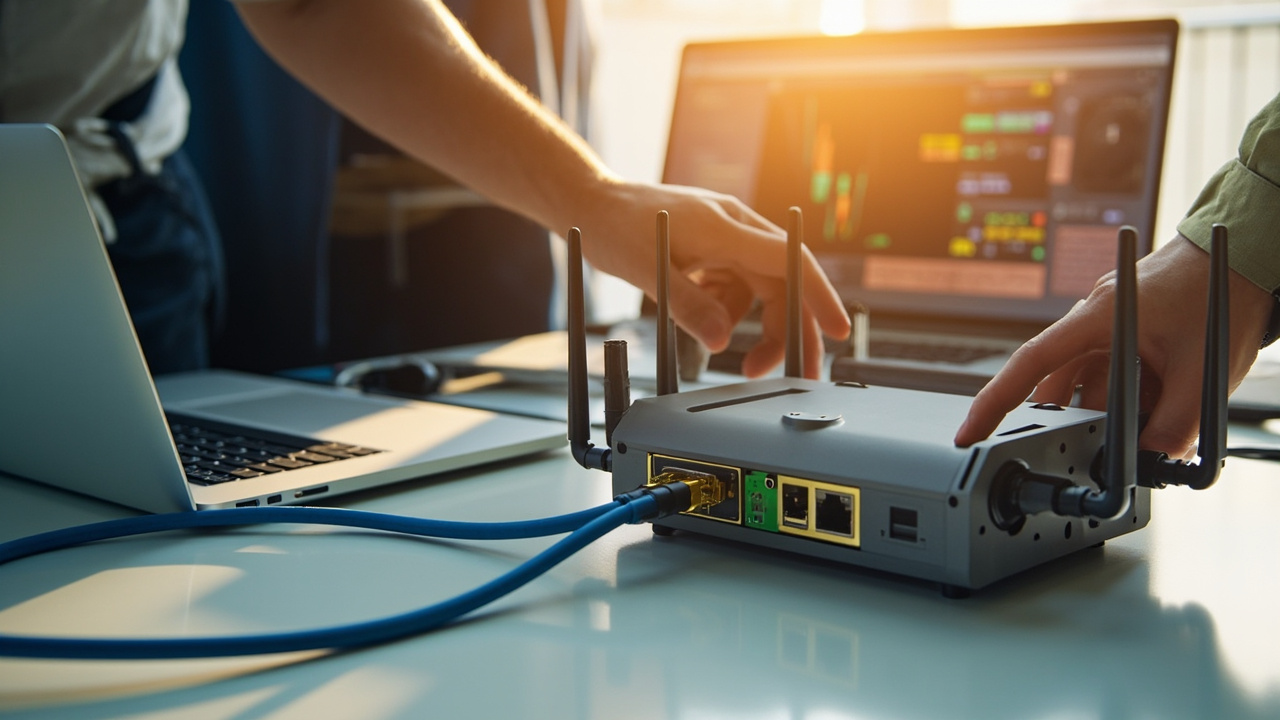


Visual Examples
Images That Support 4G LTE and 4GX Routers
A small visual sample connected to this topic.