
Conversation Topic
Cell Tower Location and Signal Testing
Use tower information as a guide, then verify the chosen carrier, band and antenna position with real measurements at the site.
Useful questions, comparisons, examples and next-step checks around Cell Tower Location and Signal Testing.
Questions & Answers
Answers About Cell Tower Location and Signal Testing
These answers organise the topic into practical checks, comparisons and useful research notes.
Yes. Some routers include built-in diagnostics that can log signal measurements such as RSRP, RSRQ and SINR, plus throughput, for different directions. If your device supports it, you can schedule repeat tests to run from the same mounting points and compare results later instead of doing each test manually. To run automated tests effectively, keep the antenna and coax length the same for every direction, test at similar times of day, and record multiple m…
2026-09-17 How long should I run each test to be confident about stability?As you noted, test each candidate spot for several minutes with the same antenna and cable length, under similar conditions. Run repeatable tests per location to observe how performance holds up, not just a quick snapshot. If possible, repeat tests at different times of day or during busier periods to capture potential carrier variation. Compare locations using sustained metrics like throughput, latency and jitter over the test duration, and pick the spot …
2026-09-04 How should I interpret the measurements to judge performance against baseline?Interpretation should start from your baseline measurements and testing goals. Compare RSRP, RSRQ and SINR values, latency, jitter and throughput over time, looking for stability, not single-good readings. Define acceptable ranges based on your application needs (for example, a minimum usable throughput and a target latency). If current readings diverge from baseline, investigate changes in antenna position, band selection, or traffic load, and re-test to …
 12 Q&A
Choosing an Industrial Router
12 Q&A
Choosing an Industrial Router
 7 Q&A
5G Industrial Routers
7 Q&A
5G Industrial Routers
 12 Q&A
4G LTE and 4GX Routers
12 Q&A
4G LTE and 4GX Routers
 7 Q&A
Dual SIM and Carrier Redundancy
7 Q&A
Dual SIM and Carrier Redundancy
 3 Q&A
Outdoor Routers and Harsh Environments
3 Q&A
Outdoor Routers and Harsh Environments
Start with repeatable tests that reflect how you’ll actually use the router. Collect numerical readings such as RSRP, RSRQ and SINR, plus latency, jitter and real throughput for both download and upload. Note the serving band and cell, and test at different times of day to see how things vary. Use the same antenna and cable length you’ll deploy, and keep the test conditions consistent (same weather, time of day, and traffic load). Run several minutes of te…
2026-08-31 What exact measurements should I record during on-site testing to pick the best spot?Plan to compare two or three candidate mounting spots. Use the same antenna and cable length you plan to deploy, and test each location under similar conditions (same time of day and weather). Record the coax length and note any obstructions or shielding that might affect the signal path. Collect objective metrics: RSRP, RSRQ, SINR, the serving cell and band, plus latency, download and upload speeds, and jitter. Run repeatable tests for several minutes to …
2026-07-21 How do I work out the best side of a building for the antenna before drilling holes everywhere?The sensible way is to test before committing. Check signal quality, not just bars, from likely mounting points. Compare carriers where possible and pay attention to the practical path of the coaxial cable back to the router, because a brilliant signal location can be undermined by a long or lossy cable run. Comset’s cellular-tower and signal-testing guidance is useful here because good antenna placement is part radio planning and part common sense. The r…
 9 Q&A
Cellular Backup for NBN and Fixed WAN
9 Q&A
Cellular Backup for NBN and Fixed WAN
 3 Q&A
Load Balancing and Multi-WAN
3 Q&A
Load Balancing and Multi-WAN
 7 Q&A
Wi-Fi Ethernet and LAN Design
7 Q&A
Wi-Fi Ethernet and LAN Design
 6 Q&A
VPN Security and Private Connectivity
6 Q&A
VPN Security and Private Connectivity
 3 Q&A
Secure Remote Access Without Public IP
3 Q&A
Secure Remote Access Without Public IP
Phone bars are a rough indicator, not a proper network assessment. Routers and phones may support different bands, antenna arrangements and carrier features, and good-looking signal strength does not guarantee good quality, low interference or adequate upload performance. That is why more meaningful figures such as RSRP, RSRQ and SINR are often used when testing router performance. Comset normally treats a phone as a clue, not as the final authority. A si…
2026-06-18 How can testing identify whether a directional antenna is aimed at the most suitable tower rather than simply the nearest one?Record the serving cell, band, RSRP, RSRQ, SINR, latency and throughput while aiming the antenna at each candidate direction. Repeat tests at similar times and allow the modem to settle after each change. The nearest tower may be blocked, congested or not carry the required carrier bands, while a more distant tower may provide a cleaner path. Where the router supports band or cell information, use it to confirm that a direction change actually selected a …
2026-06-17 Why are the signal bars shown by a router not enough to judge connection quality?Signal bars compress a complex radio condition into a simple graphic and may be based mainly on received power. They do not show interference, noise, cell congestion, band, tower selection or whether the connection is using a useful MIMO path. Two sites can show the same number of bars but have very different stability and throughput. Use numerical readings such as RSRP, RSRQ and SINR, note the serving band and cell, and run repeatable latency, upload and…



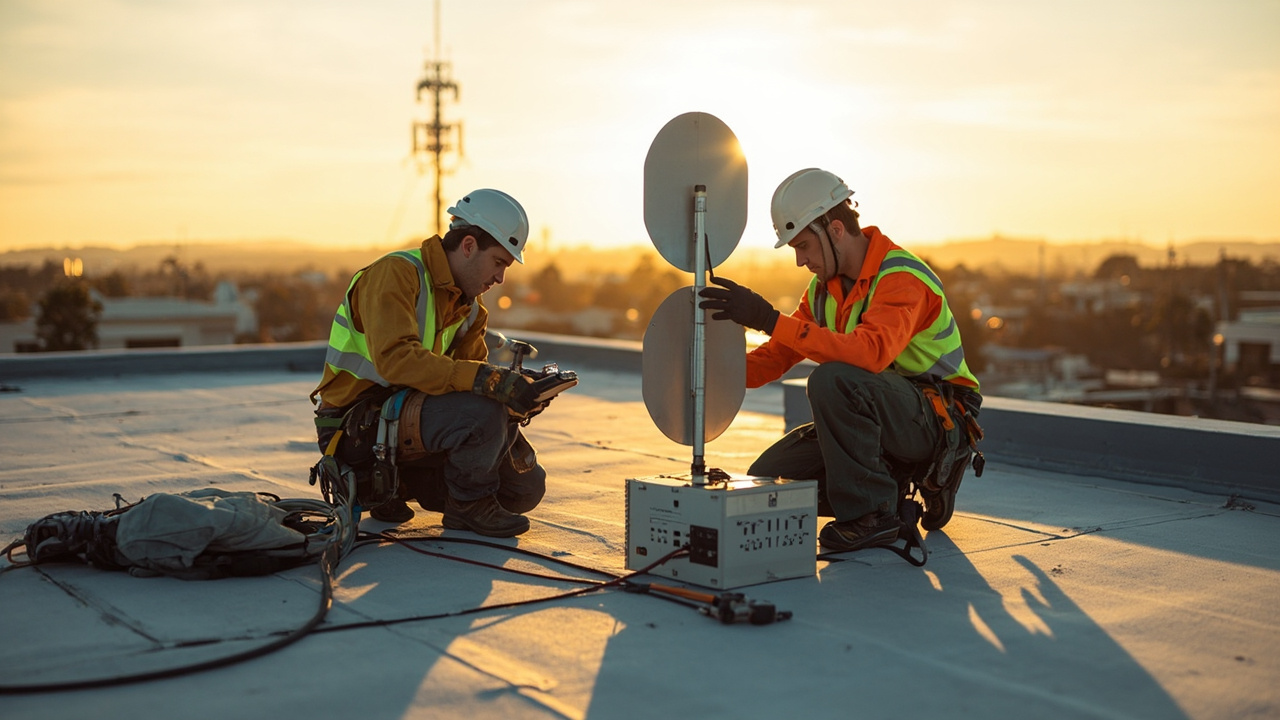



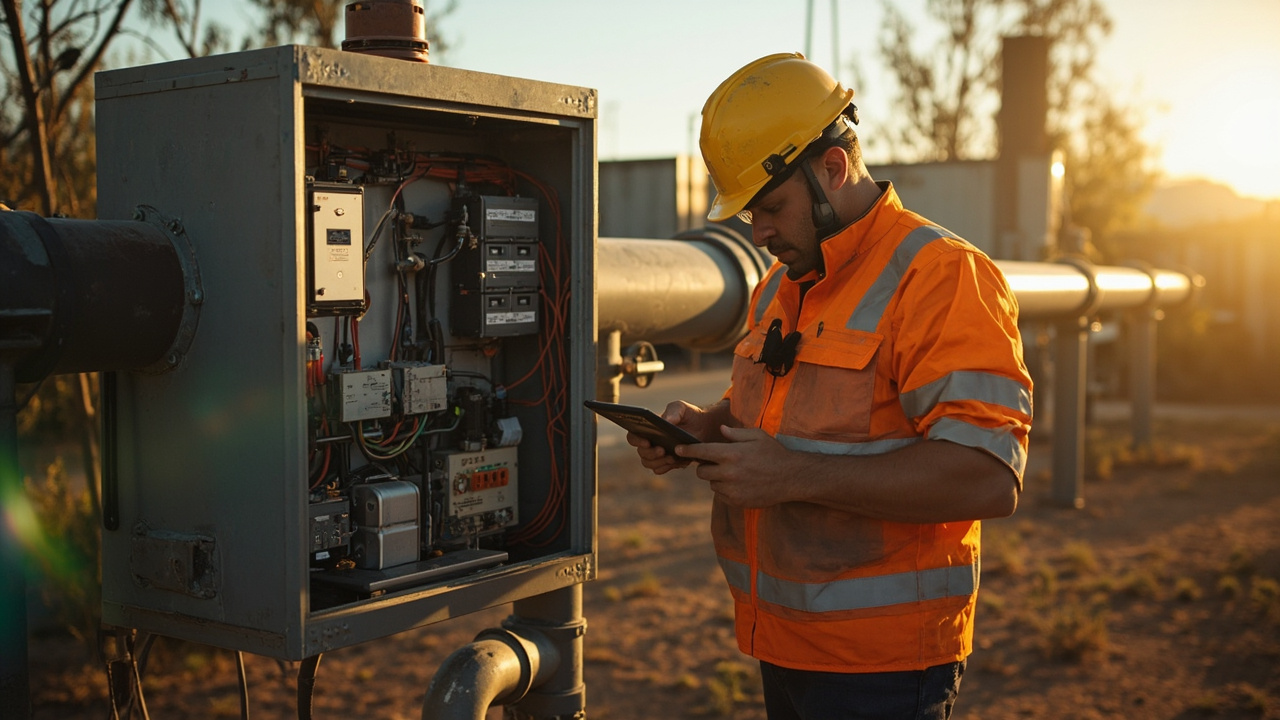

Visual Examples
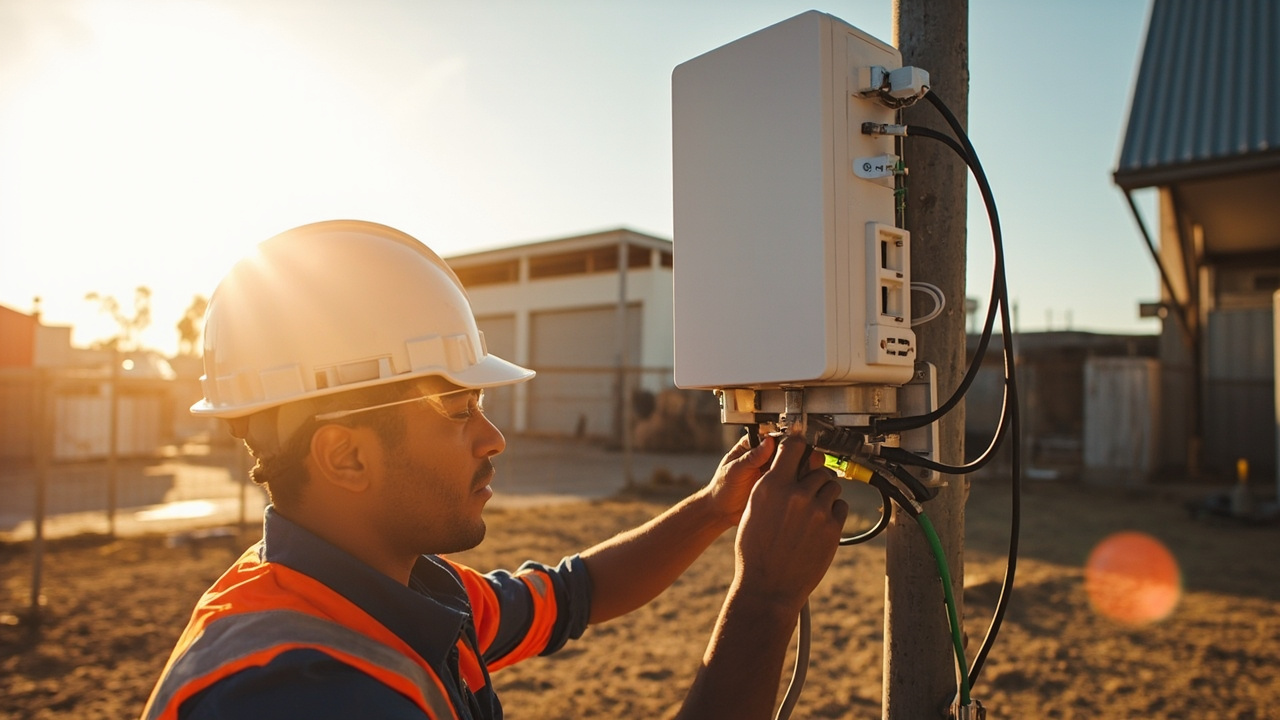
Images That Support Cell Tower Location and Signal Testing
A small visual sample connected to this topic.