
Questions & Answers
Public Questions & Answers
The Conversation Around Comset
These pages turn the business source material into practical answers, comparisons, visual examples and confirmation points for people researching this business.
Yes. Some routers include built-in diagnostics that can log signal measurements such as RSRP, RSRQ and SINR, plus throughput, for different directions. If your device supports it, you can schedule repeat tests to run from the same mounting points and compare results later instead of doing each test manually. To run automated tests effectively, keep the antenna and coax length the same for every direction, test at similar times of day, and record multiple m…
Marine and Vessel Connectivity · 2026-09-20 What should I expect for failover delay and session continuity during transitions?Shore Wi‑Fi and cellular can be combined by using the router’s multi-WAN features to prefer shore Wi‑Fi when usable and switch to cellular automatically. This usually presents one stable onboard network to devices so they don’t need to reconnect as the vessel moves. There can be a brief failover delay as health checks detect a failure on the primary link and switch to cellular. In practice, most setups aim to minimize disruption, but some long-lived sessio…
Choosing an Industrial Router · 2026-09-19 What minimum details should I provide to get a useful baseline plan?Even if you can't share every detail, you can still get a useful baseline plan by supplying what you can and clearly noting gaps. Give us: the job the router must do, the site address or rough location for testing, every device that must connect, required interfaces (Ethernet, Wi-Fi, serial, GPIO/relay), expected data use, available power and enclosure, operating temperature, uptime needs, who will manage the unit, how many similar units you expect, and wh…
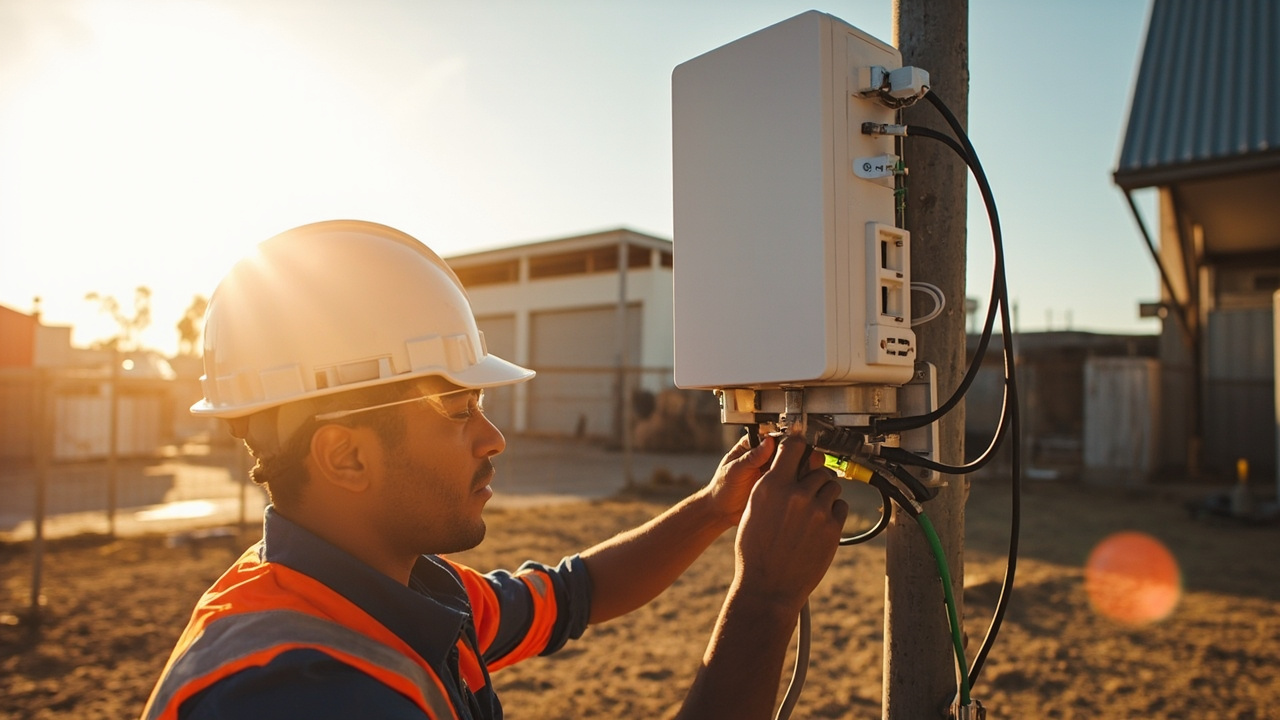 3 Q&A
Power over Ethernet Deployments
3 Q&A
Power over Ethernet Deployments
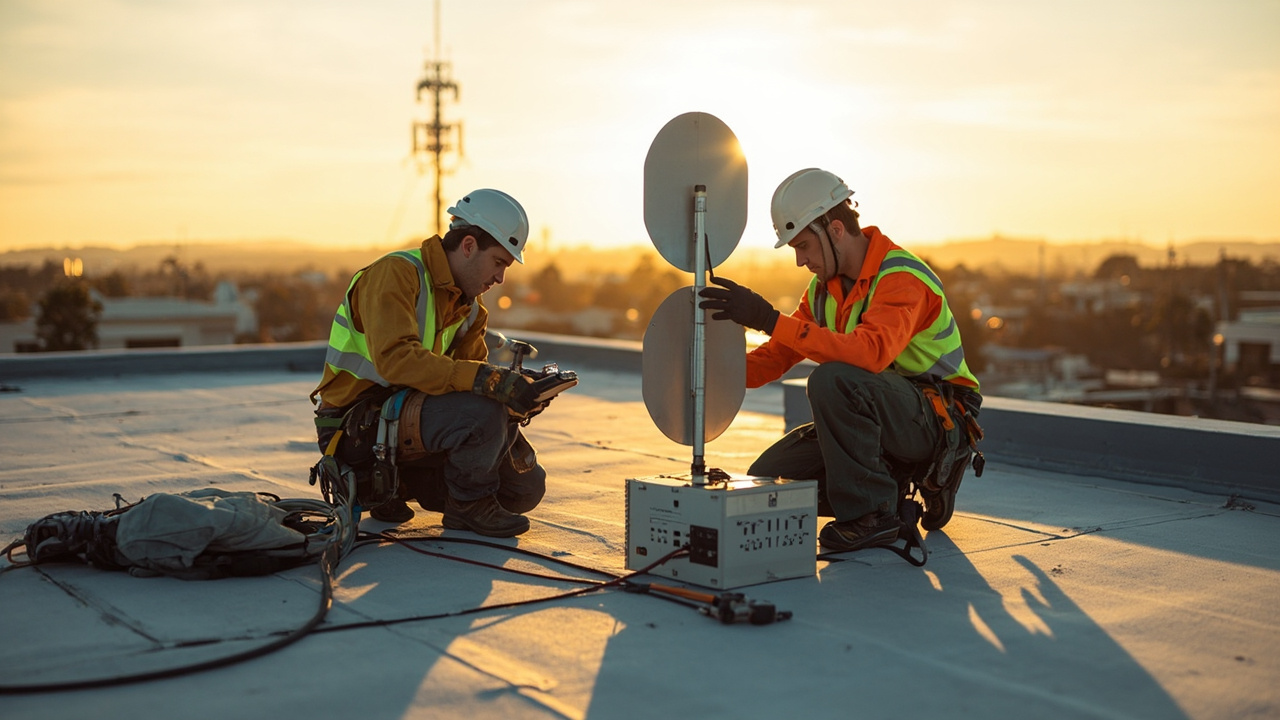 3 Q&A
Cellular Antennas and MIMO
3 Q&A
Cellular Antennas and MIMO
 3 Q&A
Antenna Placement and Coaxial Cable Loss
3 Q&A
Antenna Placement and Coaxial Cable Loss
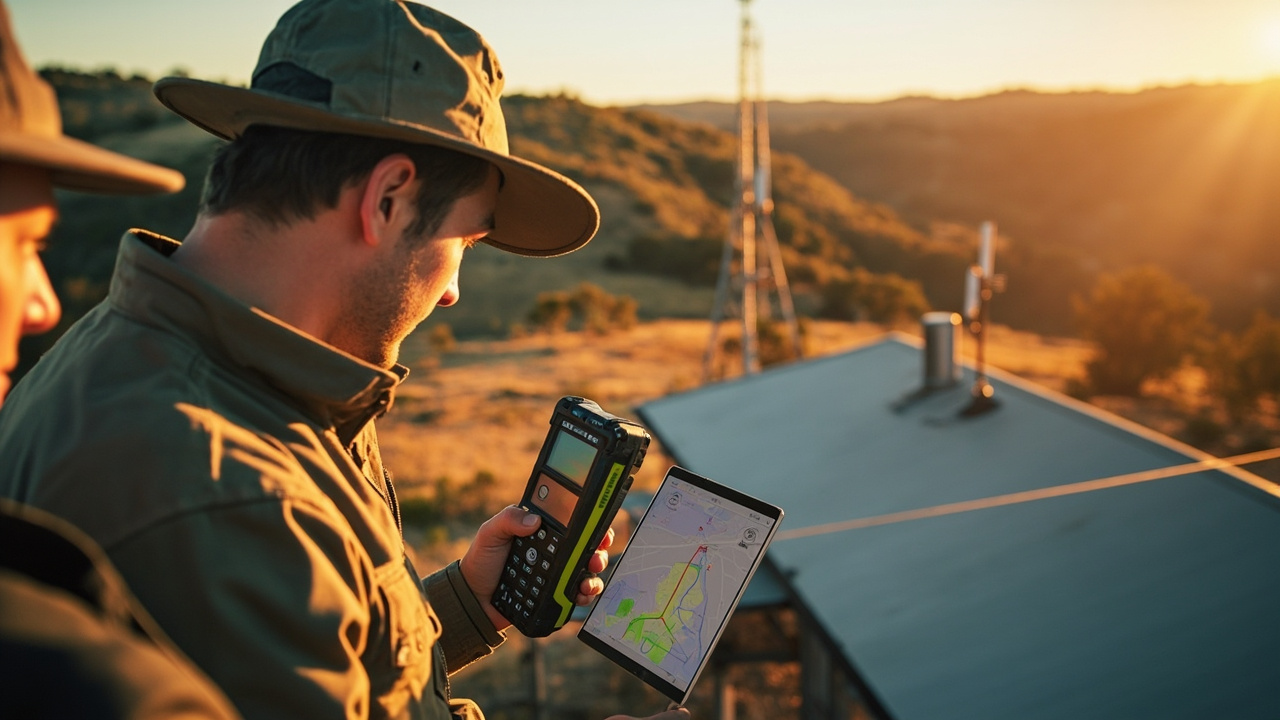 10 Q&A
Cell Tower Location and Signal Testing
10 Q&A
Cell Tower Location and Signal Testing
 5 Q&A
Australian Carrier Bands and Compatibility
5 Q&A
Australian Carrier Bands and Compatibility
Key features include automatic WAN-to-VPN tunnels, dual-SIM for failover, and reliable health checks so the tunnel recovers quickly. Be mindful of NAT: with cellular NAT, inbound connections may not reach the remote site. You might use an outbound VPN to a central server or overlay networks, and plan firewall rules to limit exposure. We can help you pick models that support these patterns and validate SIM/carrier constraints; we can provide a recommended t…
Cell Tower Location and Signal Testing · 2026-09-17 How long should I run each test to be confident about stability?As you noted, test each candidate spot for several minutes with the same antenna and cable length, under similar conditions. Run repeatable tests per location to observe how performance holds up, not just a quick snapshot. If possible, repeat tests at different times of day or during busier periods to capture potential carrier variation. Compare locations using sustained metrics like throughput, latency and jitter over the test duration, and pick the spot …
Cellular Backup for NBN and Fixed WAN · 2026-09-16 What should be included in the failover test results report?Describe the test scenario and outcomes: what you disconnected (the primary WAN) and which services you watched (critical applications, VPN, and remote management). State whether each service remained reachable during the switch and whether VPN paths stayed secure. Record the backup SIM status and any hardware checks: confirm the SIM is active with data and uses the correct APN, and note whether any antennas were tested or adjusted during the test. Documen…
 10 Q&A
Router Comparison and Model Selection
10 Q&A
Router Comparison and Model Selection
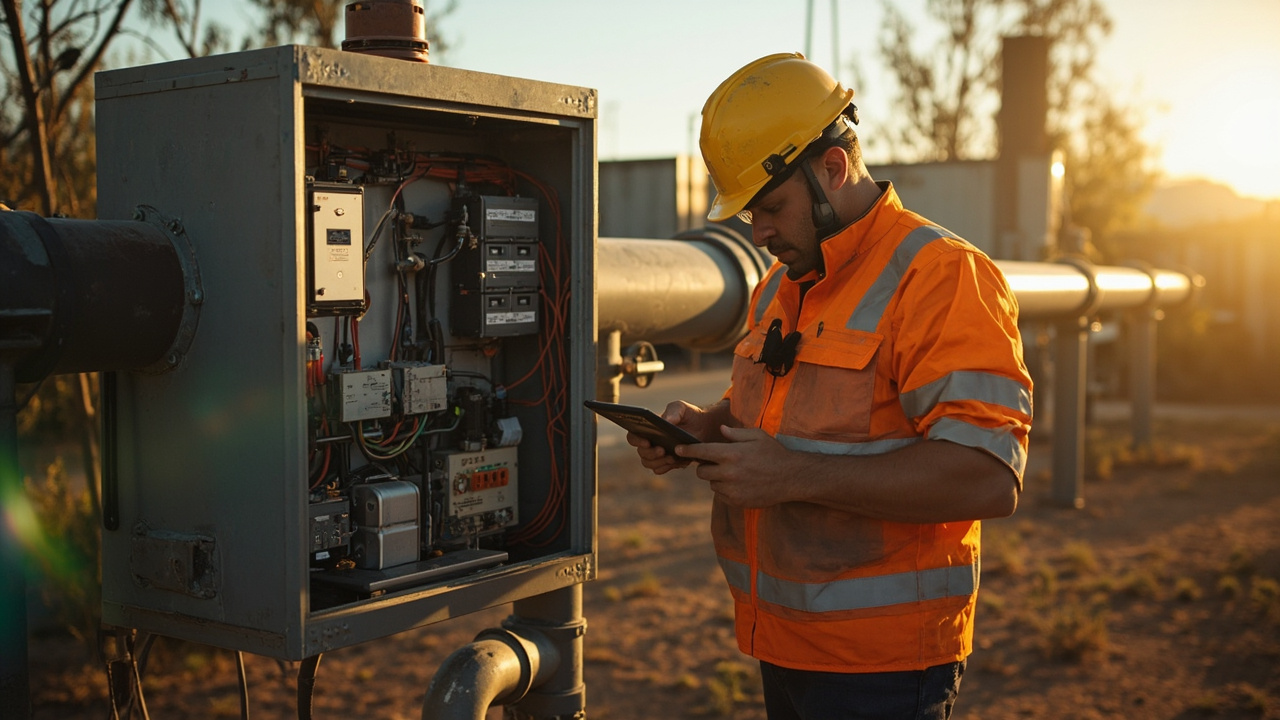 7 Q&A
Machine-to-Machine and IoT Connectivity
7 Q&A
Machine-to-Machine and IoT Connectivity
 7 Q&A
Industrial Automation Connectivity
7 Q&A
Industrial Automation Connectivity
 3 Q&A
Building Automation Connectivity
3 Q&A
Building Automation Connectivity
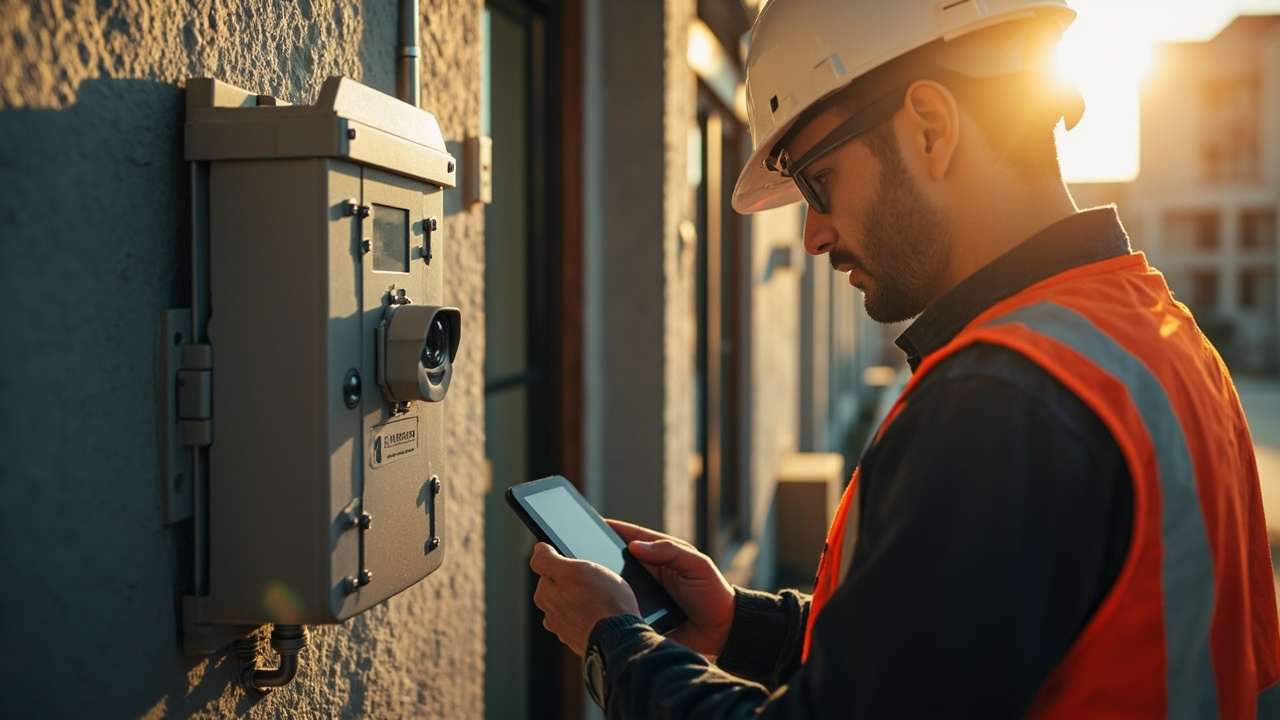 7 Q&A
Security and Surveillance Connectivity
7 Q&A
Security and Surveillance Connectivity
During a controlled failover, capture: failover latency (time from primary WAN loss to traffic on cellular), downtime duration, and whether critical services remained reachable (VPN, remote access, monitoring, essential cloud apps). Verify the backup SIM was active, had data, and used the correct APN, and confirm external antennas or MIMO paths were functioning during the switch. Ensure remote management stays accessible over cellular, that alerts and logs…
Router Setup APN and Configuration · 2026-09-14 What’s the best way to share LED states and logs with you?Share a concise incident snapshot: router model and firmware version, SIM carrier, site location, and the LED states you observed during the fault, plus the fault time window and any status messages. If you can, export or screenshot the diagnostic data (or export the router log file with timestamps) and send that along with steps to reproduce. Include whether the issue follows the SIM or stays with the hardware so Comset can distinguish provisioning or cov…
Firmware Diagnostics and Troubleshooting · 2026-09-14 What’s the simplest way to export time-series readings from the router for sharing?Collect time-aligned readings: RSRP, RSRQ, SINR, current serving band and cell ID, registration state, and the assigned IP; note data counters and the exact timestamp. Also capture WAN health-check results, last reboot time, power events and SIM switch events, plus any error messages. Export to CSV or use the router’s export function and share the file with Comset so we can tell whether the issue is radio quality, antenna path, or configuration.
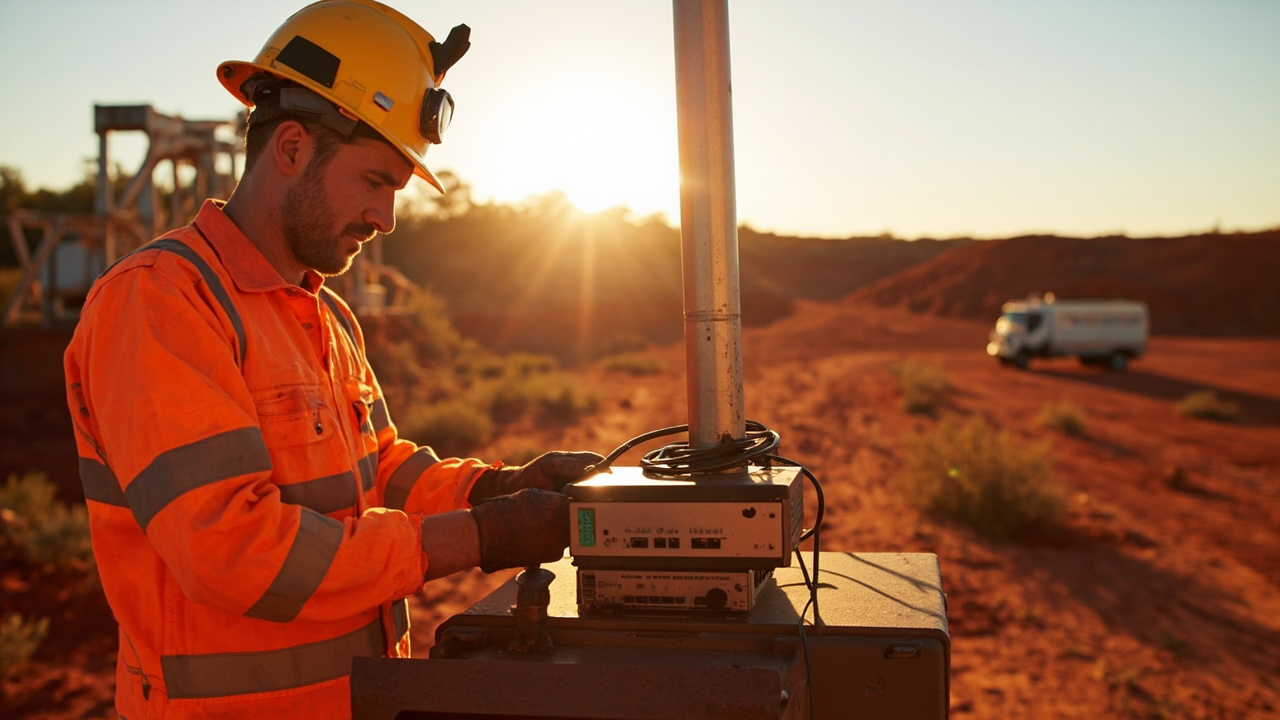 3 Q&A
Mining Energy and Remote Sites
3 Q&A
Mining Energy and Remote Sites
 5 Q&A
Transport Fleet and Mobile Deployments
5 Q&A
Transport Fleet and Mobile Deployments
 5 Q&A
Marine and Vessel Connectivity
5 Q&A
Marine and Vessel Connectivity
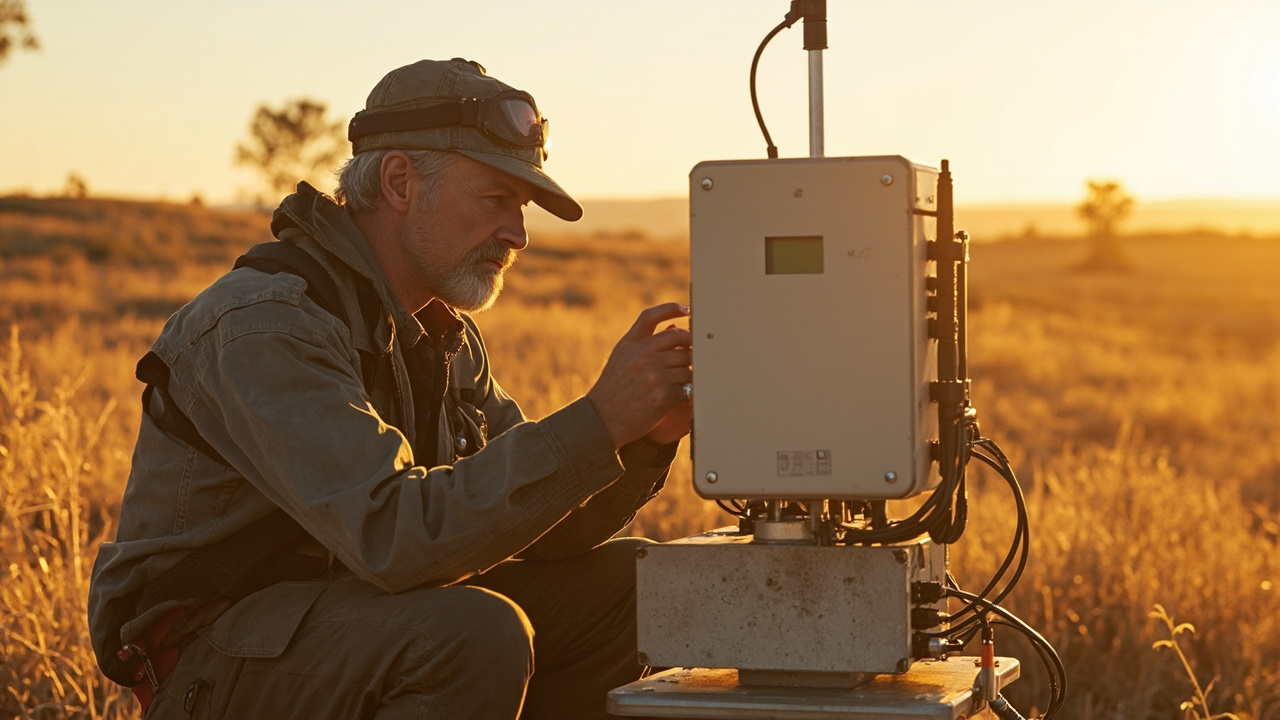 4 Q&A
Environmental and Agricultural Monitoring
4 Q&A
Environmental and Agricultural Monitoring
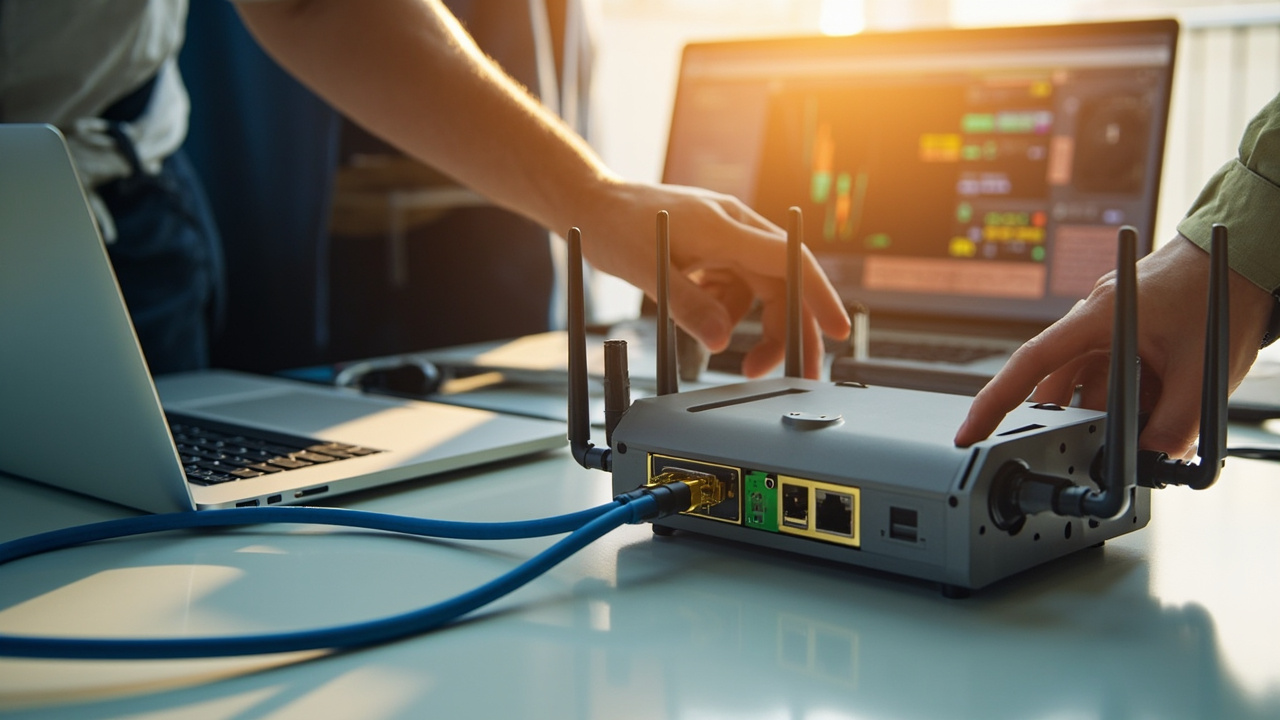 9 Q&A
Router Setup APN and Configuration
9 Q&A
Router Setup APN and Configuration
For each shortlisted model, check them against your five non-negotiables: carrier and bands, required interfaces (LAN, Wi‑Fi, serial, GPIO, GPS, PoE), power and environmental limits, uptime/redundancy, and remote access method. Ensure every model meets these essentials before weighing other factors. Then compare deployment practicality: antenna mounting options, cable length and losses, remote management capabilities, firmware and support lifecycle, and to…
Comset Supply Support Warranty and Resellers · 2026-09-12 What happens after I share all that info—how is a complete kit shown?Once we have your practical site picture, Comset will propose a complete router/antenna kit tailored to that site, not just a single device. The kit will be selected to match your environment, interfaces and remote-management needs, and will take mounting, power, and protection requirements into account. You’ll typically see a package that specifies a suitable industrial router, the antenna system (including any MIMO considerations), mounting hardware or e…
4G LTE and 4GX Routers · 2026-09-11 What exact site data should I gather to compare 4G vs 5G?On-site data to collect includes which carriers work there, which 4G/5G bands are available, and real signal quality metrics (updatesI, SINR, observed throughput) at the router location. Note any obstacles like walls or metal structures that affect reception. Usage profile matters: list every device and interface (LAN, Wi‑Fi, serial, GPIO), expected data volumes (peak vs average), and what needs remote access or VPNs. Also capture uptime requirements and f…
 7 Q&A
Firmware Diagnostics and Troubleshooting
7 Q&A
Firmware Diagnostics and Troubleshooting
 9 Q&A
Comset Supply Support Warranty and Resellers
9 Q&A
Comset Supply Support Warranty and Resellers
 12 Q&A
Choosing an Industrial Router
12 Q&A
Choosing an Industrial Router
 7 Q&A
5G Industrial Routers
7 Q&A
5G Industrial Routers
 12 Q&A
4G LTE and 4GX Routers
12 Q&A
4G LTE and 4GX Routers
After you share the practical site picture, Comset reviews your inputs and returns a focused recommendation that identifies the best-fit model and the exact deployment requirements. Expect explicit guidance on the chosen router, the necessary interfaces and power/environment constraints, and any uptime considerations or caveats for your site. If some details are still uncertain, we may ask a quick clarification to tighten the fit, and we’ll outline the nex…
Choosing an Industrial Router · 2026-09-09 What exact tests or measurements should I run on-site to compare results?On-site testing should focus on isolating variables and capturing comparable metrics. Use the router’s status page to record signal strength and connection stability, plus observed data throughput for each configuration. When swapping a known-good antenna, test at the same location with the same cable length and mounting setup, and document the before/after results. Repeat tests with the same router and a different antenna, then swap back to confirm repeat…
4G LTE and 4GX Routers · 2026-09-08 What specific site details should I gather to compare 4G and 5G options effectively?To compare 4G and 5G sensibly, start with what your site needs today and what it may need tomorrow. Gather data on typical and peak data use, how many devices and interfaces will connect, and whether you require VPN or remote management. Also capture uptime targets and how quickly you must recover after a link outage. Then verify carrier coverage and the bands available at the site, because 5G benefits depend on the network and hardware supporting the righ…
 7 Q&A
Dual SIM and Carrier Redundancy
7 Q&A
Dual SIM and Carrier Redundancy
 3 Q&A
Outdoor Routers and Harsh Environments
3 Q&A
Outdoor Routers and Harsh Environments
 9 Q&A
Cellular Backup for NBN and Fixed WAN
9 Q&A
Cellular Backup for NBN and Fixed WAN
 3 Q&A
Load Balancing and Multi-WAN
3 Q&A
Load Balancing and Multi-WAN
 7 Q&A
Wi-Fi Ethernet and LAN Design
7 Q&A
Wi-Fi Ethernet and LAN Design
To estimate the inside temperature, quantify the heat you generate and compare it with what the cabinet can remove through ventilation. Start by listing every heat source in the cabinet (the router and any connected devices) and capture each device’s power draw in watts. Note the ambient site temperature and the cabinet’s ventilation characteristics (openings, gaps, and any fans). Then apply a simple heat-balance approach or use a temperature logger to see…
Machine-to-Machine and IoT Connectivity · 2026-09-06 What thresholds and alert rules should we start with for mixed sites?Start with per-site thresholds: cap data usage and set an alert when approaching the limit. Use site-level consumption and delta transfers to avoid false triggers. Define alert rules for data usage, uptime and connectivity, and remote-management activity; set initial values (for example, warn at around 80% of plan usage and critical at 95%), with time-based considerations to avoid noise. Choose alert channels (SMS for urgent items, email or dashboard for o…
Security and Surveillance Connectivity · 2026-09-05 What details should I monitor after deployment to verify the plan fits?Start with a site trial to capture actual data usage. Record monthly uplink and downlink, peak periods, and video activity. Set thresholds and alerts for data allowances, and compare against your plan's limits. Track the number of cameras, recording schedules, and remote viewing to see if headroom is adequate. If coverage varies or you see unexpected spikes, adjust the plan or enable data usage controls. Keep a quick-digest dashboard and revisit after a bi…