
Questions & Answers
Public Questions & Answers
The Conversation Around Comset
These pages turn the business source material into practical answers, comparisons, visual examples and confirmation points for people researching this business.
A band list shows what the modem hardware can tune to, but full compatibility also depends on carrier certification, firmware, network mode, carrier aggregation combinations, VoLTE requirements where relevant, SIM provisioning and APN. A router may support the individual bands but not every combination used to deliver peak service. Australian carriers also change network configuration over time. Confirm the exact router model and regional variant, the int…
Australian Carrier Bands and Compatibility · 2026-06-19 Why is Band 28 commonly important for regional, indoor and fringe-coverage deployments in Australia?Band 28 operates around 700 MHz, a relatively low cellular frequency. Lower-frequency signals generally travel further and penetrate buildings and vegetation better than higher-frequency layers, which is why Band 28 can be valuable in regional, indoor and fringe areas. It does not overcome all terrain or building problems, and the carrier must provide Band 28 at the local tower. Antenna coverage, cable loss and network congestion still matter. A router in…
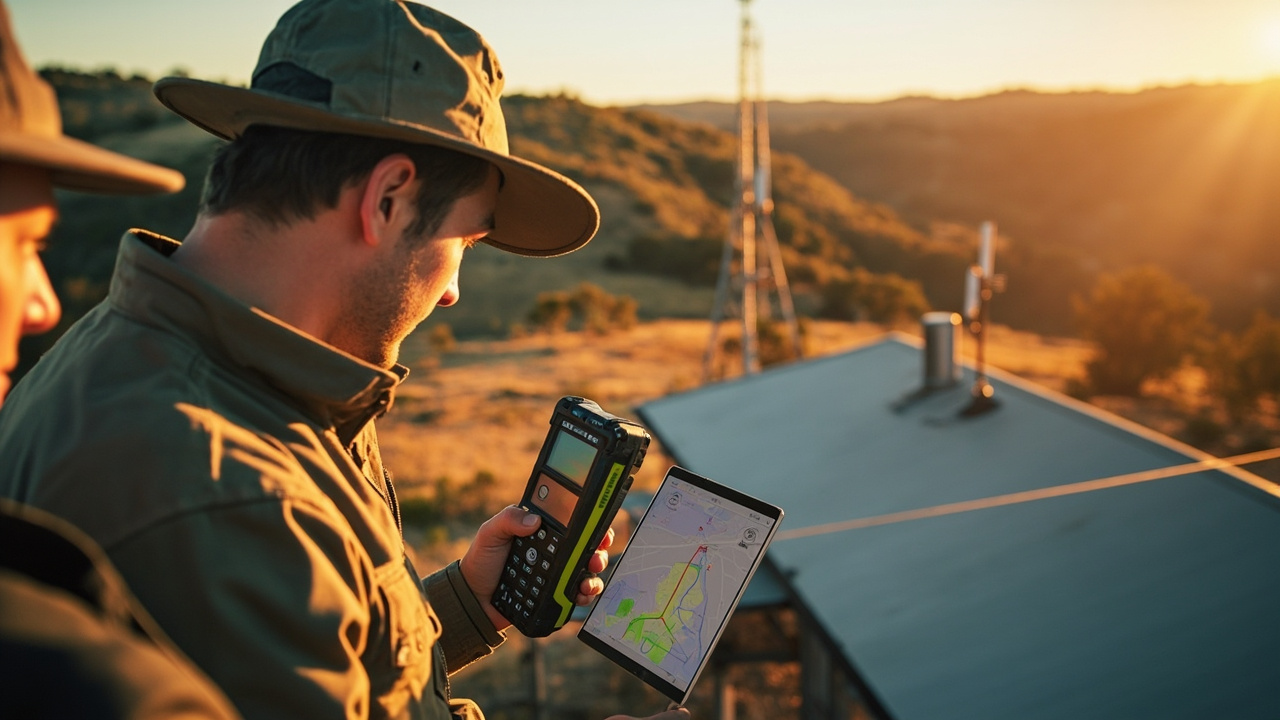
Cell Tower Location and Signal Testing · 2026-06-18 How can testing identify whether a directional antenna is aimed at the most suitable tower rather than simply the nearest one?Record the serving cell, band, RSRP, RSRQ, SINR, latency and throughput while aiming the antenna at each candidate direction. Repeat tests at similar times and allow the modem to settle after each change. The nearest tower may be blocked, congested or not carry the required carrier bands, while a more distant tower may provide a cleaner path. Where the router supports band or cell information, use it to confirm that a direction change actually selected a …
 3 Q&A
Power over Ethernet Deployments
3 Q&A
Power over Ethernet Deployments
 3 Q&A
Cellular Antennas and MIMO
3 Q&A
Cellular Antennas and MIMO
 3 Q&A
Antenna Placement and Coaxial Cable Loss
3 Q&A
Antenna Placement and Coaxial Cable Loss
 10 Q&A
Cell Tower Location and Signal Testing
10 Q&A
Cell Tower Location and Signal Testing
 5 Q&A
Australian Carrier Bands and Compatibility
5 Q&A
Australian Carrier Bands and Compatibility
Signal bars compress a complex radio condition into a simple graphic and may be based mainly on received power. They do not show interference, noise, cell congestion, band, tower selection or whether the connection is using a useful MIMO path. Two sites can show the same number of bars but have very different stability and throughput. Use numerical readings such as RSRP, RSRQ and SINR, note the serving band and cell, and run repeatable latency, upload and…
Cell Tower Location and Signal Testing · 2026-06-17 What do RSRP, RSRQ and SINR reveal about a cellular site that ordinary signal strength does not?RSRP measures the power of the reference signal and helps indicate coverage strength. RSRQ combines signal and interference effects to describe quality, while SINR compares the wanted signal with interference and noise. Together they provide a much better picture than bars alone. A strong RSRP with poor SINR can indicate interference or congestion, so a higher-gain antenna may not fix the problem. A weaker but cleaner signal may deliver better performance…
Antenna Placement and Coaxial Cable Loss · 2026-06-16 Why is the highest possible antenna position not always the best final location?The highest point may be exposed to strong interference, lightning risk, difficult maintenance or a radio path that is not the best for the selected tower. High-gain antennas can also have narrow vertical patterns, so an excessively high or close installation may place the tower outside the main lobe. Test several practical positions and orientations while watching RSRP, RSRQ, SINR and actual throughput. A slightly lower point with a cleaner path and shor…
 10 Q&A
Router Comparison and Model Selection
10 Q&A
Router Comparison and Model Selection
 7 Q&A
Machine-to-Machine and IoT Connectivity
7 Q&A
Machine-to-Machine and IoT Connectivity
 7 Q&A
Industrial Automation Connectivity
7 Q&A
Industrial Automation Connectivity
 3 Q&A
Building Automation Connectivity
3 Q&A
Building Automation Connectivity
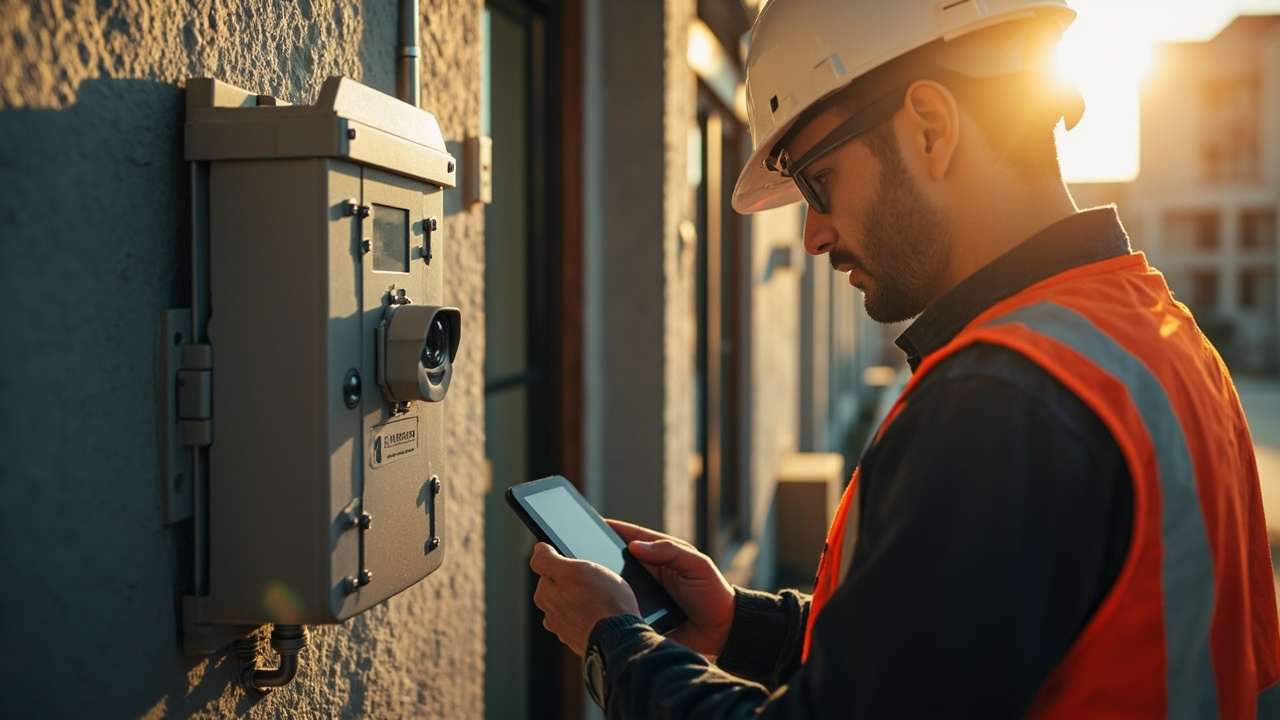 7 Q&A
Security and Surveillance Connectivity
7 Q&A
Security and Surveillance Connectivity
When the antenna would otherwise need a long coaxial run, placing the router near it can preserve signal quality. Ethernet can normally run up to 100 metres and may deliver PoE, while coaxial loss rises with length and frequency. This arrangement is common where the best cellular position is on a roof, mast or external wall. The router then needs a suitable protected or outdoor location, power, surge protection and service access. Temperature and condensa…
Antenna Placement and Coaxial Cable Loss · 2026-06-15 How should an installer balance antenna height against signal loss through a long coaxial cable?Raising an antenna can improve line of sight and reduce building or terrain obstruction, but every metre of coaxial cable adds loss. At cellular frequencies, a long low-quality cable can remove all the gain achieved by the higher position. Estimate cable loss at the actual bands, include connector losses and compare alternatives. Often the better design is to place the router or modem close to the antenna and run Ethernet back to the network, because Ethe…
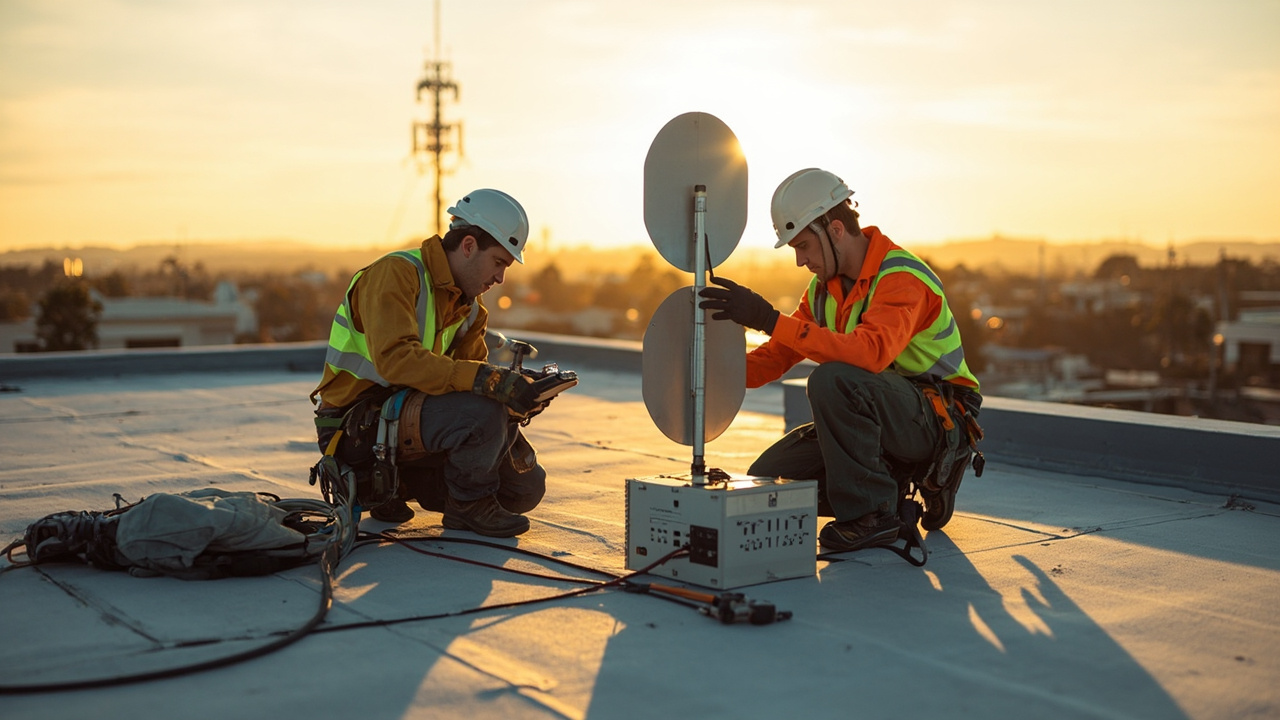
Cellular Antennas and MIMO · 2026-06-14 Can an unsuitable external antenna make a cellular connection worse rather than better?Yes. An antenna with the wrong frequency range, poor efficiency, damaged cable or unsuitable pattern can produce more loss than the router’s original antenna. A long, thin coaxial cable can consume the gain advertised on the antenna, especially at higher frequencies. A highly directional antenna aimed at the wrong tower can also make the connection less stable, and a high-gain antenna may have a narrow vertical pattern that misses a nearby elevated or low…
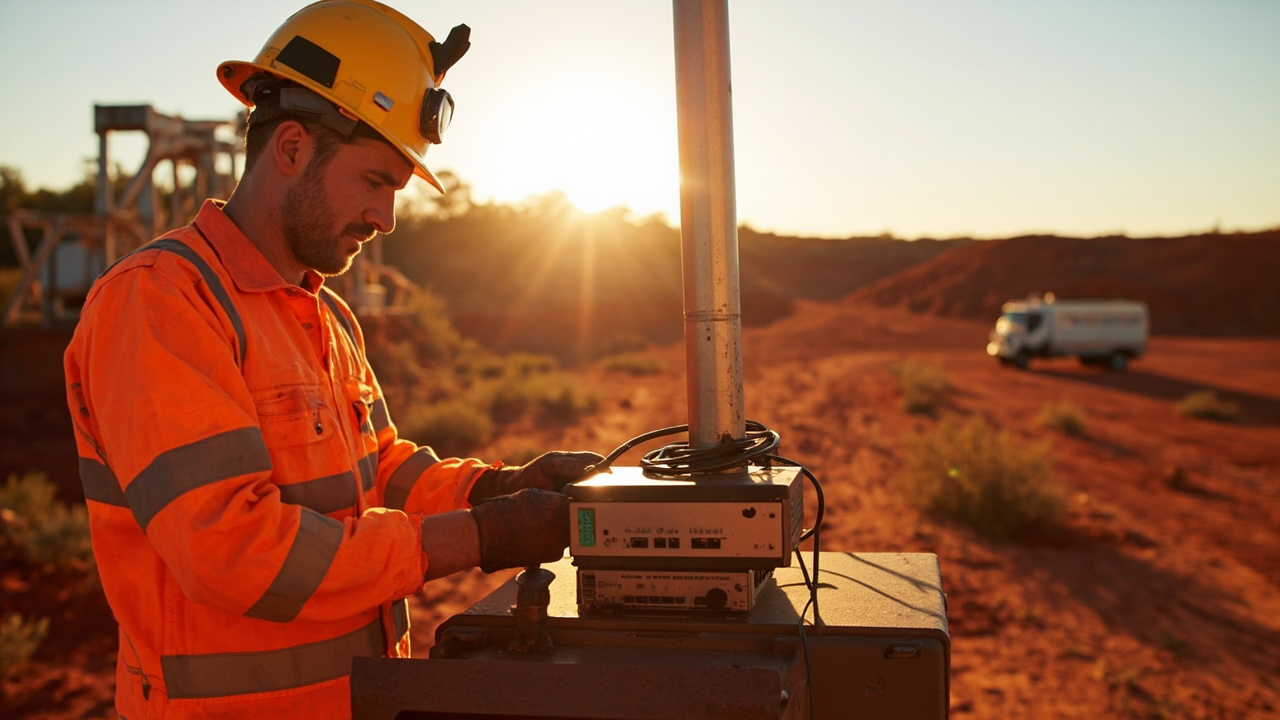 3 Q&A
Mining Energy and Remote Sites
3 Q&A
Mining Energy and Remote Sites
 5 Q&A
Transport Fleet and Mobile Deployments
5 Q&A
Transport Fleet and Mobile Deployments
 5 Q&A
Marine and Vessel Connectivity
5 Q&A
Marine and Vessel Connectivity
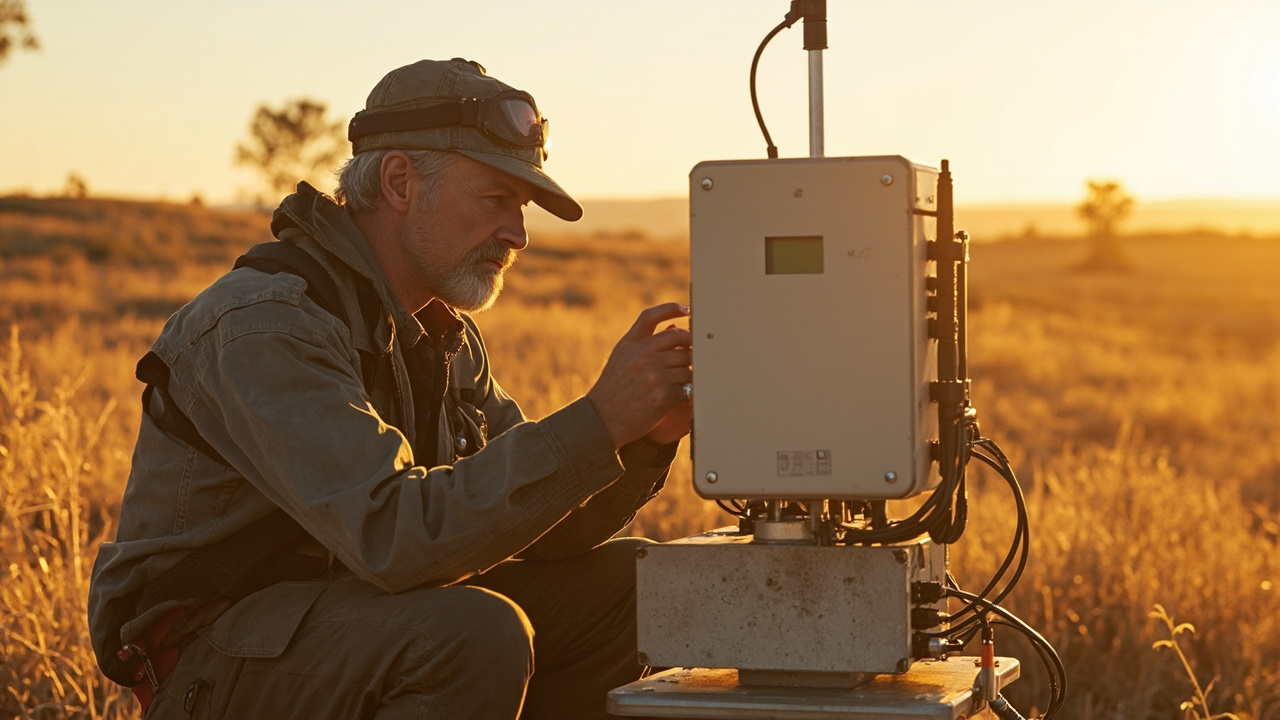 4 Q&A
Environmental and Agricultural Monitoring
4 Q&A
Environmental and Agricultural Monitoring
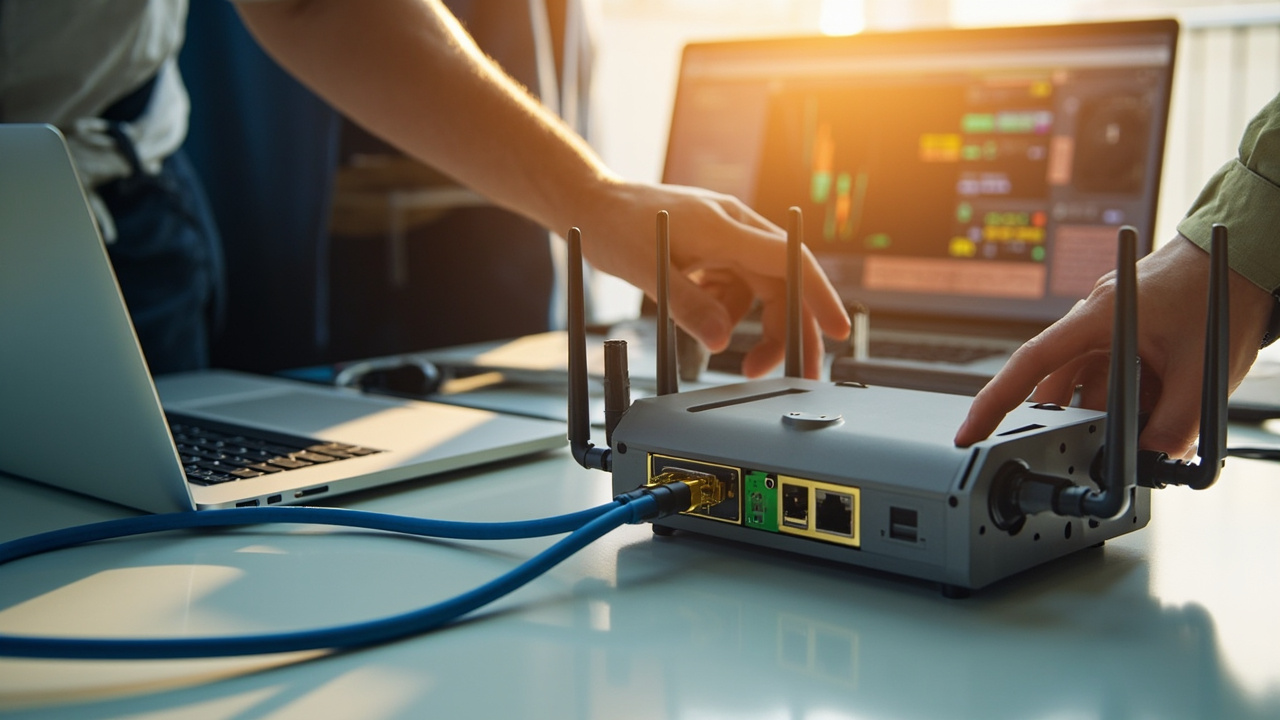 9 Q&A
Router Setup APN and Configuration
9 Q&A
Router Setup APN and Configuration
Use an omnidirectional antenna when signals may arrive from different directions, the equipment moves, there are several usable towers, or simple installation is more important than maximum gain in one direction. It is common for vehicles, vessels and sites with reasonable general coverage. A directional antenna is useful at a fixed fringe-coverage site where testing identifies a suitable tower and interference can be reduced by focusing the antenna. It r…
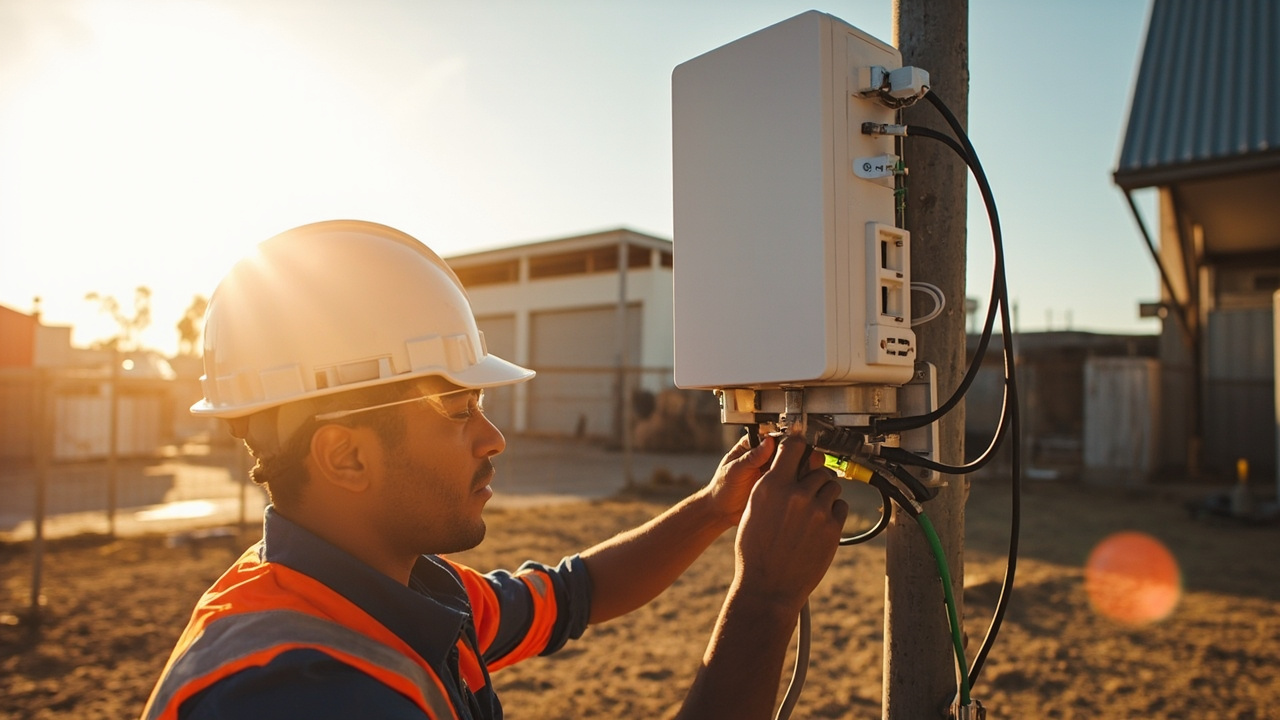
Power over Ethernet Deployments · 2026-06-13 What grounding, surge and cable-length issues should be considered in an outdoor PoE deployment?Long outdoor Ethernet cables can carry surge energy from lightning or nearby electrical events, even without a direct strike. Use appropriate outdoor-rated cable, correct separation from power conductors, shield and earth only according to the designed system, and install surge protection at suitable entry points. Ethernet has a practical 100-metre channel limit under standard conditions, and voltage drop can become significant for PoE at high power. Wate…
Cellular Antennas and MIMO · 2026-06-13 Why do many 4G and 5G routers require two or four cellular antenna connections?Modern 4G and 5G systems use MIMO—multiple input, multiple output—to send and receive through more than one radio path. Two antennas are common for 2x2 MIMO, while higher-performance 5G routers may use four for 4x4 MIMO. The separate paths improve capacity and reliability when the network and radio environment support them. Leaving ports disconnected, combining them incorrectly or placing all antennas in an unsuitable arrangement can reduce performance. U…
 7 Q&A
Firmware Diagnostics and Troubleshooting
7 Q&A
Firmware Diagnostics and Troubleshooting
 9 Q&A
Comset Supply Support Warranty and Resellers
9 Q&A
Comset Supply Support Warranty and Resellers
 12 Q&A
Choosing an Industrial Router
12 Q&A
Choosing an Industrial Router
 7 Q&A
5G Industrial Routers
7 Q&A
5G Industrial Routers
 12 Q&A
4G LTE and 4GX Routers
12 Q&A
4G LTE and 4GX Routers
Use PoE output from the router when a nearby camera, access point or other compatible device can be powered within the router’s supported standard and budget. Powering the router by PoE is useful when one Ethernet cable can deliver both network and power from a protected switch or injector, particularly near an antenna or in a ceiling location. These are different roles, and not every model supports either one. Confirm whether the port is PoE input or out…
Power over Ethernet Deployments · 2026-06-12 Why do PoE standards and the total power budget matter when cameras, access points and routers share an installation?Each PoE standard defines how power is negotiated and how much can be delivered. A device may fail to start or reset under load if the switch, injector or router cannot supply its required class. The total budget matters when several cameras, access points and other devices share one power source. Add the maximum demand of every device, allow for cable loss and startup peaks, and leave reasonable headroom. Check whether any port has an individual limit as…
Serial GPIO and Relay Integration · 2026-06-11 How can an installer avoid damaging equipment through the wrong serial standard, voltage or wiring arrangement?Read both manuals and identify the electrical standard before wiring. Verify connector pin numbers, signal names, voltage levels, polarity and whether the interface is isolated. Use an appropriate converter rather than connecting RS-232 to RS-485 or applying supply voltage to a logic input. For terminal blocks, strip conductors to the recommended length, prevent loose strands and double-check the sequence before applying power. Protect external circuits w…
 7 Q&A
Dual SIM and Carrier Redundancy
7 Q&A
Dual SIM and Carrier Redundancy
 3 Q&A
Outdoor Routers and Harsh Environments
3 Q&A
Outdoor Routers and Harsh Environments
 9 Q&A
Cellular Backup for NBN and Fixed WAN
9 Q&A
Cellular Backup for NBN and Fixed WAN
 3 Q&A
Load Balancing and Multi-WAN
3 Q&A
Load Balancing and Multi-WAN
 7 Q&A
Wi-Fi Ethernet and LAN Design
7 Q&A
Wi-Fi Ethernet and LAN Design
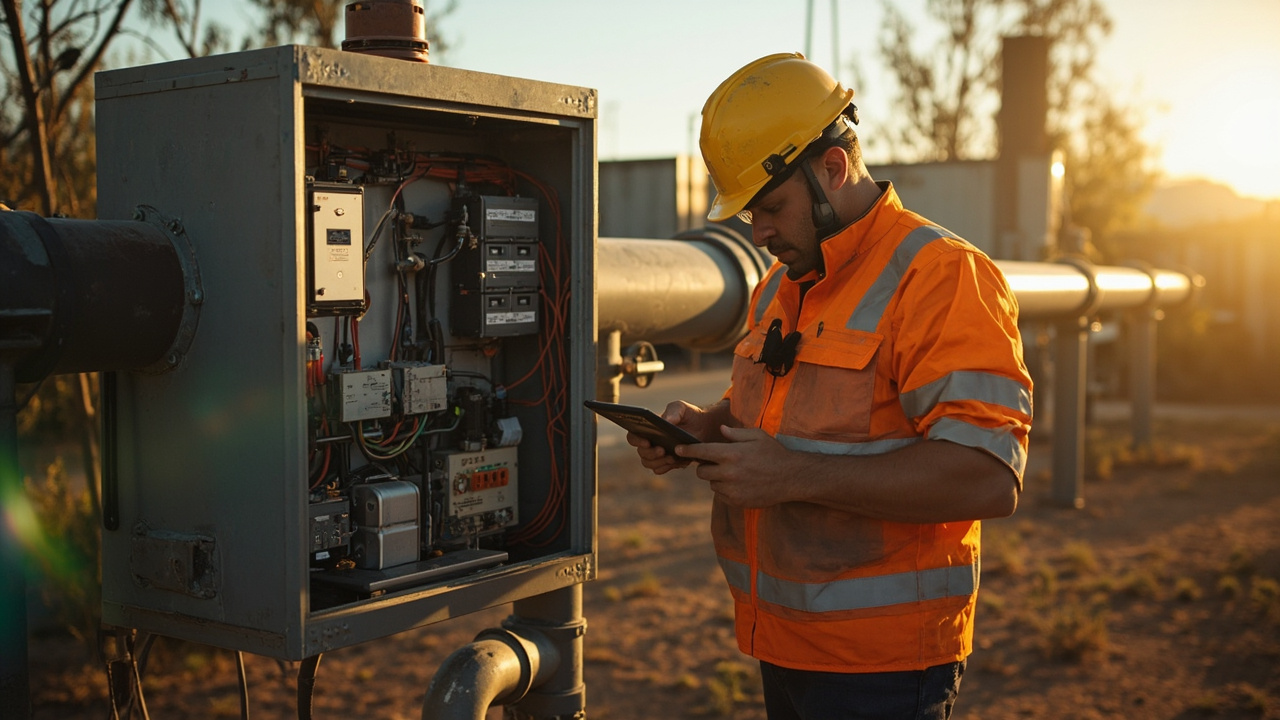
RS-232 is commonly used for point-to-point serial equipment over shorter distances. RS-485 supports differential signalling and is often used for longer industrial runs or multiple devices on a bus. GPIO provides logic-level inputs or outputs, while a relay offers an electrically isolated contact for switching an external circuit. Check the equipment manual for electrical standard, connector pinout, baud rate, parity and control protocol. “Serial” is not …
Serial GPIO and Relay Integration · 2026-06-10 What practical jobs can dry contacts and relay outputs perform in a remote connectivity installation?A dry contact can report whether an external switch or alarm circuit is open or closed. It might monitor a door, pump fault, mains-failure relay, float switch or equipment alarm. A relay output can provide a controlled contact to reset a device, trigger an alarm input, switch an interface relay or operate another low-power control circuit. The router should not directly switch loads beyond its rated output. Pumps, motors, locks and higher-voltage circuits…
SMS Control Alerts and Automation · 2026-06-09 What security risks should be considered before enabling SMS commands on a router?Risks include spoofed or forwarded messages, lost phones, shared credentials and commands sent to the wrong device. Restrict accepted sender numbers if supported, use command passwords or tokens, change defaults and keep the allowed command set as small as possible. Do not include sensitive information in reply messages, and consider whether a phone number alone is an adequate identity for the action involved. Log commands and alert on failed attempts. Fo…